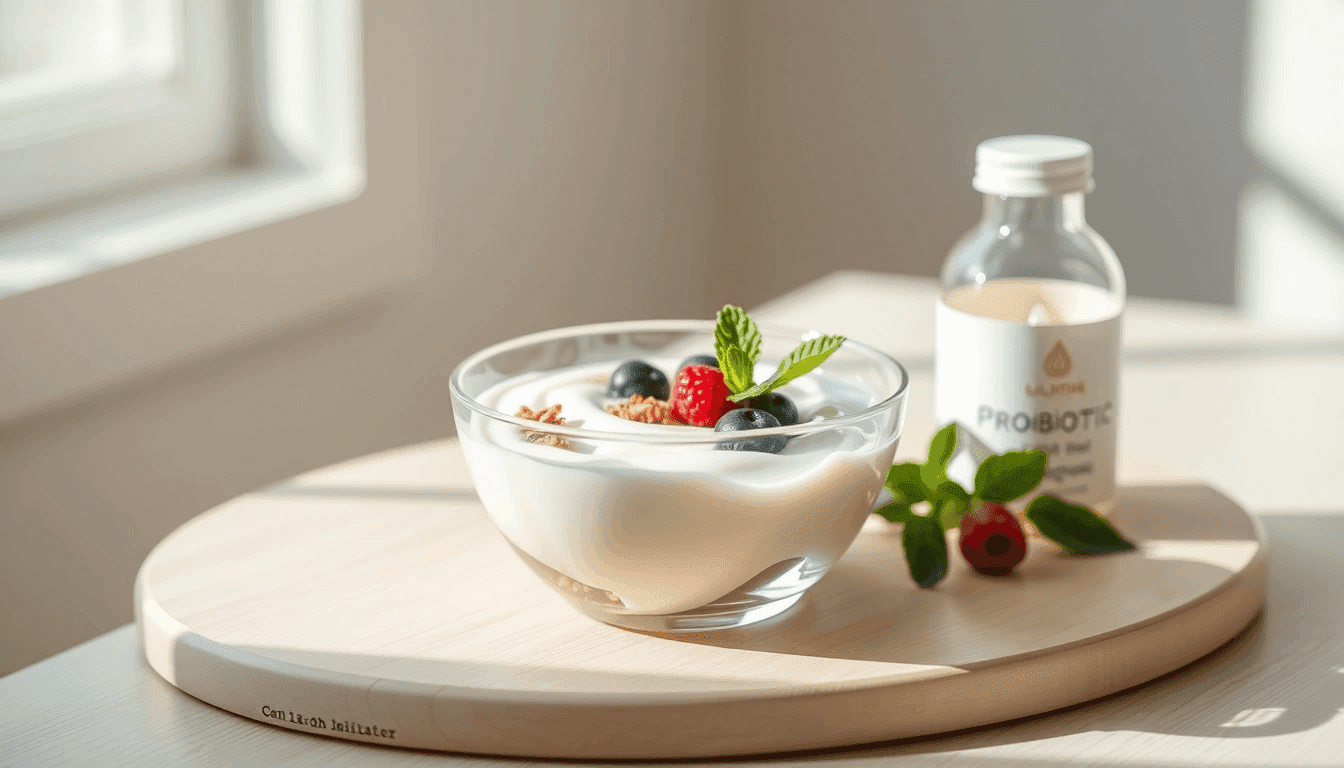

Ah, that familiar pre-period puffiness. You know the feeling: your favorite jeans suddenly feel a size too small, your energy dips, and you just generally feel… uncomfortable. Menstrual bloating is incredibly common, and if you’ve experienced it, you’re certainly not alone. It’s one of those monthly annoyances that can truly disrupt your comfort and confidence.
But what if there was a natural, gut-friendly way to potentially ease some of that discomfort? Enter probiotics. While they’re not a magic bullet, a growing body of understanding suggests they might play a surprisingly helpful role in managing that pre-menstrual bloat.
Let’s break this down together, exploring why this happens and how a happy gut could lead to a happier you during your cycle.
Why Do We Get Bloated Before Our Periods Anyway?
Before we dive into solutions, it helps to understand the "why." Menstrual bloating primarily stems from the beautiful, complex dance of hormones in your body. Around the time of ovulation and leading up to your period, levels of estrogen and progesterone fluctuate significantly.
- Hormonal Shifts: These changes can cause your body to retain more water and sodium. Think of it like your body holding onto extra fluid, and where does that fluid often collect? In your abdomen, making you feel puffy and heavy.
- Digestive Changes: Progesterone, in particular, can also slow down your digestive tract. When things move a bit sluggishly, gas can build up, stools can become harder, and voilà – you’re left with that uncomfortable, distended feeling.
- It’s a double-whammy: fluid retention combined with potential digestive slowdowns.
This isn't just in your head; it's a very real physiological response. And for many, it's one of the most frustrating symptoms of PMS.
Probiotics: Your Gut's Inner Harmony Keepers
So, where do probiotics fit into this picture? To understand that, we need to talk about your gut. Your gut is home to trillions of bacteria – a bustling ecosystem known as your gut microbiome. This isn't just about digestion; your gut health influences everything from your immune system to your mood, and yes, even your hormonal balance.
Probiotics are essentially beneficial bacteria that, when consumed in adequate amounts, can offer health benefits. Think of them as tiny, helpful workers that keep your gut running smoothly.
"A healthy gut microbiome is like a well-tended garden. When the good bacteria flourish, they crowd out the bad, creating an environment that supports overall well-being, including smoother digestion and potentially less inflammation."
How Probiotics Might Tackle Menstrual Bloating
While research is ongoing, here are a few key ways probiotics are thought to help with that monthly bloat:
- Improving Digestion and Reducing Gas: This is perhaps the most direct link. When your gut microbiome is balanced, food is broken down more efficiently, and waste moves through your system more effectively. This can significantly reduce the build-up of gas and prevent constipation, both major contributors to bloating. Certain probiotic strains are particularly good at aiding digestion and reducing gas production.
- Reducing Inflammation: An imbalanced gut (often called dysbiosis) can lead to systemic inflammation. Period-related symptoms, including bloating, can sometimes be exacerbated by inflammation. Probiotics can help restore balance and, in turn, reduce inflammatory responses in the body.
- Supporting Hormonal Balance (Indirectly): Your gut plays a role in processing and eliminating excess hormones, particularly estrogen. If your gut isn't functioning optimally, it might not be clearing hormones as efficiently, which could potentially contribute to hormonal fluctuations that impact bloating. A healthy gut supports this natural detoxification process.
- Enhancing Nutrient Absorption: When your gut is healthy, it's better at absorbing essential nutrients. Sometimes, nutrient deficiencies can indirectly impact overall bodily functions, including those related to fluid balance.
Choosing and Using Probiotics: Practical Tips
So, you’re ready to give them a try? Great! But not all probiotics are created equal. Here’s what to consider:
- Look for Diversity: A good probiotic supplement will often contain a blend of different strains, typically from the Lactobacillus and Bifidobacterium families, as these are well-researched for digestive and overall health benefits.
- Check the CFU Count: This stands for Colony Forming Units. Generally, look for supplements with billions of CFUs (e.g., 10-50 billion). More isn't always better, but a decent count ensures enough beneficial bacteria are making it to your gut.
- Reputable Brands: Choose brands that are transparent about their ingredients, manufacturing processes, and ideally, have third-party testing.
- Consistency is Key: Probiotics aren't a one-and-done solution. For them to establish and maintain a presence in your gut, you need to take them regularly, often daily.
- Give it Time: Don't expect immediate results. It can take a few weeks, or even a couple of cycles, to notice a significant difference. Your gut needs time to adjust and rebalance.
- Food Sources Too! Don't forget fermented foods! Incorporating things like yogurt, kefir, sauerkraut, kimchi, and kombucha into your diet can also provide natural sources of probiotics, alongside beneficial fiber.
Important Note: When starting probiotics, some people might experience mild digestive upset (like gas or a little more bloating) for the first few days. This is usually temporary as your gut adjusts. If it persists or is severe, consult a healthcare professional.
Beyond Probiotics: A Holistic Approach to Bloating Relief
While probiotics can be a valuable tool, they work best as part of a broader strategy for managing menstrual bloating. Think of it as creating a full support system for your body:
- Hydration is Your Friend: It sounds counterintuitive, but drinking more water can actually help reduce water retention. It signals to your body that it doesn't need to hold onto every drop. Aim for plenty of plain water throughout the day.
- Watch Your Salt Intake: High sodium can definitely contribute to fluid retention. Try to reduce processed foods, which are often packed with hidden salt, especially in the week leading up to your period.
- Embrace Fiber (Gradually): Fiber helps keep things moving in your digestive tract, preventing constipation. Think fruits, vegetables, whole grains, and legumes. If you're not used to a high-fiber diet, increase it slowly to avoid more gas and bloating initially.
- Move Your Body: Gentle exercise, like walking, yoga, or light cardio, can stimulate your digestive system and help release trapped gas. It also supports overall circulation.
- Mindful Eating: Eating slowly, chewing your food thoroughly, and avoiding large meals can reduce the amount of air you swallow, which can contribute to bloating.
- Stress Management: Stress can wreak havoc on your digestion and hormones. Incorporate stress-reducing activities like meditation, deep breathing, or spending time in nature.
- Limit Certain Foods: For some, reducing caffeine, alcohol, or even certain artificial sweeteners and highly processed foods can make a big difference in pre-period bloating. Pay attention to what triggers you.
When to Talk to a Doctor
While menstrual bloating is common, if your symptoms are severe, debilitating, or don't improve with lifestyle changes and probiotics, it's always a good idea to talk to your doctor or a trusted healthcare provider. They can rule out any underlying conditions like Irritable Bowel Syndrome (IBS), endometriosis, or other hormonal imbalances that might be contributing to your discomfort.
Your Journey to a Happier Gut and Period
Dealing with menstrual bloating can feel like a monthly battle, but you don't have to just suffer through it. Understanding the role your gut plays, and how beneficial bacteria like probiotics can support its function, offers a promising path towards greater comfort.
Remember, it's about listening to your body, experimenting with what works for you, and building a holistic approach to your well-being. With a little patience and consistency, you might just find that a happier gut leads to happier periods, and a much more comfortable you.
Related Articles

Can Probiotics Help Chronic Fatigue? Exploring the Gut-Brain Link
Unlock the gut-fatigue connection! If ME/CFS exhaustion persists, explore how gut health and probiotics can support your body's fight against Chronic Fatigue Syndrome.
Probiotics & Weight Loss: Unpacking Gut Health Hype & Real Facts
Is the 'probiotics for weight loss' hype real? Get the honest scientific truth on gut health, metabolism, and effective strategies for a healthier you.
Probiotics for Daily Wellness: Simple Ways to Feel Your Best
Feeling 'meh'? Explore how probiotics can transform your gut health, boost energy, mood, & immunity. Learn natural ways to integrate them into your daily wellness routine.