October 22, 2025
6 min read
Ever had that "off" feeling in your stomach? Maybe persistent bloating, an upset tummy, or just a general sense of sluggishness that seems to start from your gut? You're not alone. Our gut, often called our "second brain," is a bustling ecosystem, and when it's out of balance, it can throw our whole body for a loop.
This is where probiotics come into the picture – those friendly, beneficial bacteria that have been making headlines for good reason. But what exactly are they, and how do they actually work their magic to improve your gut health and, by extension, your overall well-being? Let’s break this down.
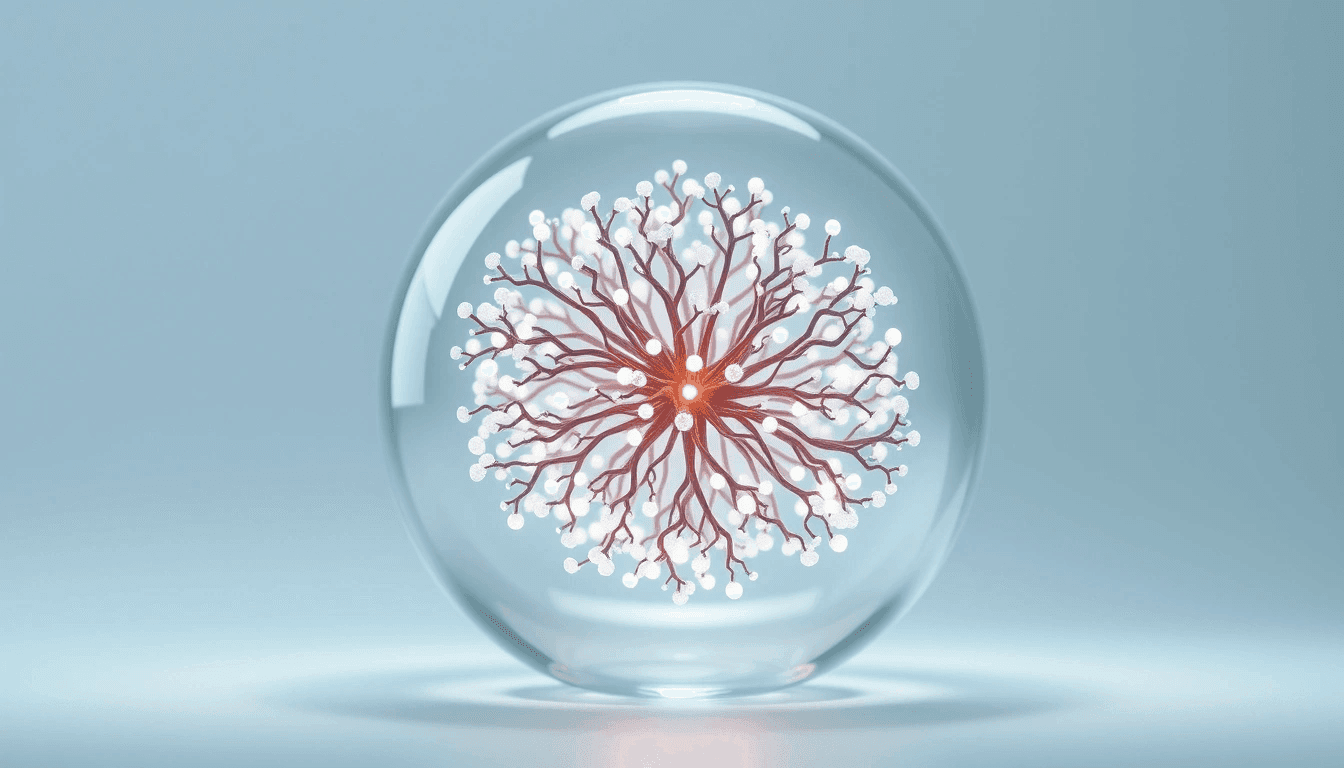
Imagine your gut as a vast, vibrant garden, home to trillions of tiny microorganisms – bacteria, fungi, and viruses. Collectively, this is known as your gut microbiome. It's a truly amazing internal world, and the balance of its inhabitants is crucial for everything from digesting your food to supporting your immune system, and even influencing your mood.
When this garden is thriving with a diverse array of "good" bacteria, things generally run smoothly. But life can throw a wrench in the works: a course of antibiotics, a highly processed diet, chronic stress, or even just everyday environmental factors can disrupt this delicate balance, allowing "less friendly" bacteria to take over. This imbalance can lead to those unpleasant symptoms we often associate with poor digestion, and sometimes, even more far-reaching health concerns.
So, what are these celebrated probiotics? Simply put, they are live microorganisms that, when consumed in adequate amounts, confer a health benefit on the host. Think of them as reinforcements for your gut's good guys. They're not just any bacteria; they're specific strains known to support human health.
You might already be getting some probiotics through your diet without even realizing it! Fermented foods like yogurt, kefir, sauerkraut, kimchi, and tempeh are natural sources of these beneficial microbes. For many, however, a probiotic supplement can offer a more concentrated and targeted approach to supporting gut health.
It's one thing to say probiotics are "good for your gut," but how do they really make a difference? It's a multifaceted process, and here are some of the key ways these tiny allies get to work:
Restoring Balance: This is perhaps their most fundamental role. When your gut microbiome is out of whack (a state called dysbiosis), probiotics help to tip the scales back in favor of the beneficial bacteria. They compete with harmful bacteria for space and nutrients, effectively "crowding out" the bad guys.
Fortifying Your Gut Barrier: Your gut lining acts as a crucial barrier, deciding what gets absorbed into your bloodstream and what gets kept out. When this barrier is compromised (sometimes referred to as "leaky gut"), unwanted substances can sneak through, potentially triggering inflammation or immune responses. Probiotics can help strengthen the integrity of this delicate barrier, making it more resilient.
Aiding Digestion and Nutrient Absorption: Certain probiotic strains produce enzymes that help break down food, making it easier for your body to extract vital nutrients. They can also help with the synthesis of certain vitamins, like B vitamins and Vitamin K. This means better digestion, less bloating, and more energy from the food you eat.
Boosting Your Immune System: Did you know that a significant portion of your immune system resides in your gut? Probiotics communicate with immune cells, helping to educate and regulate their responses. A healthy gut microbiome can lead to a more robust and balanced immune system, potentially helping you fend off illnesses.
Beyond the Gut: The Gut-Brain Connection: The connection between your gut and your brain is incredibly powerful. This "gut-brain axis" means that a healthy gut can positively influence your mood, stress levels, and even cognitive function. Some research suggests that certain probiotic strains can help produce neurotransmitters, like serotonin, which play a role in regulating mood.
While almost everyone can benefit from a healthy gut microbiome, probiotics can be particularly helpful for:
Remember, probiotics aren't a magic bullet, but rather a powerful tool to support your body's natural processes.
Ready to give your gut some love? Here’s how to approach it thoughtfully:
Food First: Always prioritize incorporating fermented foods into your diet. Yogurt (with live and active cultures), kefir, sauerkraut, kimchi, miso, and tempeh are fantastic natural sources. They offer a diverse range of microbes along with other beneficial nutrients.
Consider Supplements (But Talk to Your Doctor): If you're considering a probiotic supplement, it's always a good idea to chat with a healthcare professional first. They can help you determine if a supplement is right for you and recommend specific strains that might address your particular needs.
Feed Your Probiotics (Prebiotics!): Probiotics need food to thrive! This is where prebiotics come in. Prebiotics are types of fiber that your beneficial gut bacteria love to munch on. You can find prebiotics in foods like onions, garlic, leeks, asparagus, bananas, apples, and oats. A diet rich in diverse plant foods is key to a flourishing gut garden.
Consistency is Key: Probiotics aren't a one-and-done fix. To see lasting benefits, they need to be taken consistently over time.
While probiotics are generally safe for most people, some might experience mild gas or bloating when first starting, as their gut adjusts. If you have a compromised immune system or a serious health condition, it’s especially important to consult your doctor before adding any new supplement to your routine.
Taking care of your gut is truly an act of self-care for your whole body. By understanding how probiotics work to balance your inner ecosystem, fortify your gut barrier, aid digestion, and boost your immunity, you're empowered to make informed choices for your health. Listen to your body, nourish it with whole foods, and consider giving those friendly gut helpers the support they deserve. Your gut will thank you!
Unlock the gut-fatigue connection! If ME/CFS exhaustion persists, explore how gut health and probiotics can support your body's fight against Chronic Fatigue Syndrome.
Is the 'probiotics for weight loss' hype real? Get the honest scientific truth on gut health, metabolism, and effective strategies for a healthier you.
Feeling 'meh'? Explore how probiotics can transform your gut health, boost energy, mood, & immunity. Learn natural ways to integrate them into your daily wellness routine.