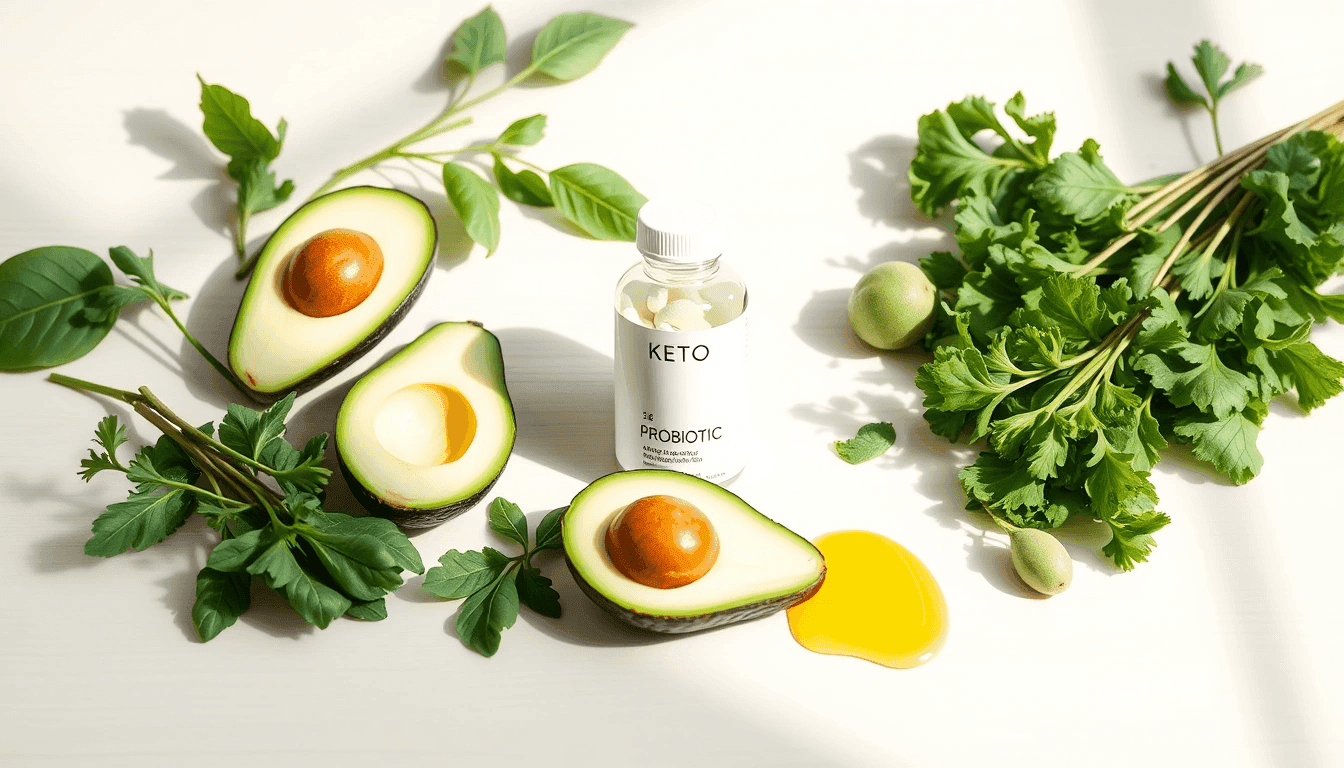

Embarking on a ketogenic diet is a big step, often driven by exciting goals like weight loss, improved energy, or better metabolic health. And while many people rave about the benefits, it's also common to hear whispers (or even shouts!) about digestive changes. Maybe you've felt a little "off," experienced some new tummy troubles, or just wondered how this low-carb, high-fat lifestyle impacts your insides.
You're not alone in thinking about your gut health on keto. It's a really smart question to ask! And that's where our tiny, mighty friends – probiotics – come into the picture. Think of them as your gut's personal cheerleading squad, ready to help keep things balanced and happy.
Let's break down why these beneficial bacteria might be the unsung heroes of your keto journey.
The Keto-Gut Connection: A Delicate Balance
When you switch to a ketogenic diet, you're making a pretty significant change to your plate. Suddenly, the focus shifts dramatically from carbs to healthy fats, with moderate protein. This change, while beneficial for many aspects of your health, can also subtly alter the landscape of your gut microbiome – that bustling community of trillions of bacteria living inside you.
Here's why:
- Reduced Fiber Intake: Many traditional high-fiber foods (like whole grains, starchy vegetables, and some fruits) are limited on keto. Fiber is the primary food source for many beneficial gut bacteria. When their food source changes, so can their population.
- New Food Focus: A higher intake of fats and certain proteins means your gut has new tasks to perform, and different bacteria might thrive or diminish as a result.
- Potential for Digestive Upset: For some, the transition to keto can bring about constipation, diarrhea, or general digestive discomfort as the body adjusts to burning fat for fuel. This is often part of the "keto flu" experience.
Your gut is often called your "second brain" for a reason. It influences everything from digestion and nutrient absorption to your immune system and even your mood. Keeping it happy and thriving is key to feeling your best, especially when making big dietary shifts.
What Exactly Are Probiotics, Anyway?
You hear the term "probiotics" a lot, but what do they actually do? In simple terms, probiotics are live microorganisms, primarily bacteria and yeasts, that, when consumed in adequate amounts, confer a health benefit on the host.
Think of your gut like a garden. You want plenty of beautiful, healthy plants (beneficial bacteria) to flourish and keep the weeds (less beneficial bacteria) from taking over. Probiotics are like adding more good seeds to that garden, helping to cultivate a diverse and robust ecosystem.
They play a crucial role in:
- Digestion: Helping break down food and absorb nutrients.
- Immune Function: A significant portion of your immune system resides in your gut.
- Vitamin Production: Some gut bacteria produce essential vitamins like K and B vitamins.
- Maintaining Gut Barrier Integrity: Keeping your gut lining strong and healthy.
Probiotics on Keto: A Powerful Partnership
So, how do these tiny powerhouses specifically support you on a ketogenic diet? It's a natural synergy!
- Digestive Harmony: If you're experiencing constipation or other digestive slowdowns on keto, certain probiotic strains can help regulate bowel movements and promote smoother digestion. They can also aid in the breakdown of fats, which is a new heavy lifting task for your digestive system on keto.
- Nutrient Absorption: A healthy gut microbiome is more efficient at extracting nutrients from your food. This is particularly important on keto, where you want to ensure you're getting all the good stuff from your nutrient-dense, low-carb choices.
- Immune System Support: Any dietary change can be a stressor. By supporting your gut's immune function, probiotics can help keep your body robust and resilient.
- Managing the "Keto Flu" (Digestive Edition): While probiotics won't cure all "keto flu" symptoms, they can certainly help alleviate some of the digestive discomforts, making your transition smoother.
- Maintaining Balance: Even if you feel fine, probiotics can act as a preventative measure, helping to maintain a healthy balance in your gut flora despite the dietary shift.
Getting Your Probiotic Fix: Food vs. Supplements
You have two main avenues for inviting more beneficial bacteria into your life while on keto: fermented foods and supplements.
Fermented Foods: Your Keto-Friendly Options
Nature's original probiotics! Many fermented foods are delicious and can be easily incorporated into your keto lifestyle.
- Sauerkraut & Kimchi: These fermented cabbage powerhouses are fantastic. Look for unpasteurized versions, as pasteurization kills the beneficial bacteria. They're low in carbs and packed with flavor.
- Pickles (Fermented): Again, ensure they are fermented pickles (often found in the refrigerated section) and not just vinegar-brined ones. Always check labels for added sugars!
- Kefir (Dairy & Non-Dairy): Traditional dairy kefir is a fermented milk drink rich in probiotics. While it has some carbs, it's often better tolerated by those with lactose sensitivity due to the fermentation process. For strict keto or dairy-free, look for coconut kefir (unsweetened!) or water kefir, carefully checking the carb count.
- Natto: A traditional Japanese food made from fermented soybeans. It has a strong flavor and unique texture, but it's incredibly rich in beneficial bacteria and Vitamin K2.
A friendly reminder: Always read labels carefully to avoid hidden sugars or high-carb ingredients in fermented products.
Probiotic Supplements: When to Consider Them
Sometimes, getting enough probiotics from food alone can be challenging, especially if you're sensitive to certain ingredients or simply don't enjoy fermented foods. This is where supplements can be incredibly helpful.
When choosing a probiotic supplement for keto, here's what to look for:
- High CFU Count: CFU stands for Colony Forming Units, indicating the number of live bacteria. Aim for products with billions of CFUs (e.g., 10-50 billion).
- Diverse Strains: Look for supplements with multiple strains, such as Lactobacillus and Bifidobacterium species, as different strains offer different benefits.
- Quality & Purity: Choose reputable brands that perform third-party testing. Avoid products with unnecessary fillers, artificial sweeteners, or hidden carbs that could interfere with your keto goals.
- Shelf Stability: Some probiotics require refrigeration, while others are shelf-stable. Follow storage instructions carefully to ensure the bacteria remain alive and effective.
Crucial Advice: Before adding any new supplement, including probiotics, to your routine, it's always a good idea to chat with your doctor or a registered dietitian. They can offer personalized advice based on your health history and specific needs.
Beyond Probiotics: A Holistic Approach to Gut Health on Keto
While probiotics are fantastic allies, remember that they're just one piece of the puzzle. For optimal gut health on keto, consider these holistic tips:
- Prioritize Keto-Friendly Fiber: Even on keto, you can get plenty of fiber from non-starchy vegetables like leafy greens, broccoli, cauliflower, asparagus, and avocado. Fiber (prebiotics) feeds your good gut bacteria!
- Stay Hydrated: Water is essential for healthy digestion and preventing constipation.
- Manage Stress: Stress can profoundly impact your gut. Incorporate stress-reducing activities like meditation, yoga, or spending time in nature.
- Get Enough Sleep: Quality sleep is crucial for overall health, including gut health.
- Listen to Your Body: Pay attention to how different foods and supplements make you feel. Your body often sends clear signals!
Wrapping It Up: Your Gut, Your Ally
Embracing a ketogenic diet is a journey of discovery for your body, and understanding its impact on your gut is a powerful step towards long-term success. Probiotics, whether from carefully chosen fermented foods or high-quality supplements, can be a wonderful tool to support your digestive health, boost your immunity, and simply help you feel better as you navigate your low-carb lifestyle.
By nurturing your gut, you're not just improving digestion; you're investing in your overall well-being, energy, and vitality. So, go ahead – give your gut some love, and let those tiny warriors help you thrive on keto!
Related Articles

Can Probiotics Help Chronic Fatigue? Exploring the Gut-Brain Link
Unlock the gut-fatigue connection! If ME/CFS exhaustion persists, explore how gut health and probiotics can support your body's fight against Chronic Fatigue Syndrome.
Probiotics & Weight Loss: Unpacking Gut Health Hype & Real Facts
Is the 'probiotics for weight loss' hype real? Get the honest scientific truth on gut health, metabolism, and effective strategies for a healthier you.

Probiotics for Daily Wellness: Simple Ways to Feel Your Best
Feeling 'meh'? Explore how probiotics can transform your gut health, boost energy, mood, & immunity. Learn natural ways to integrate them into your daily wellness routine.