October 22, 2025
7 min read
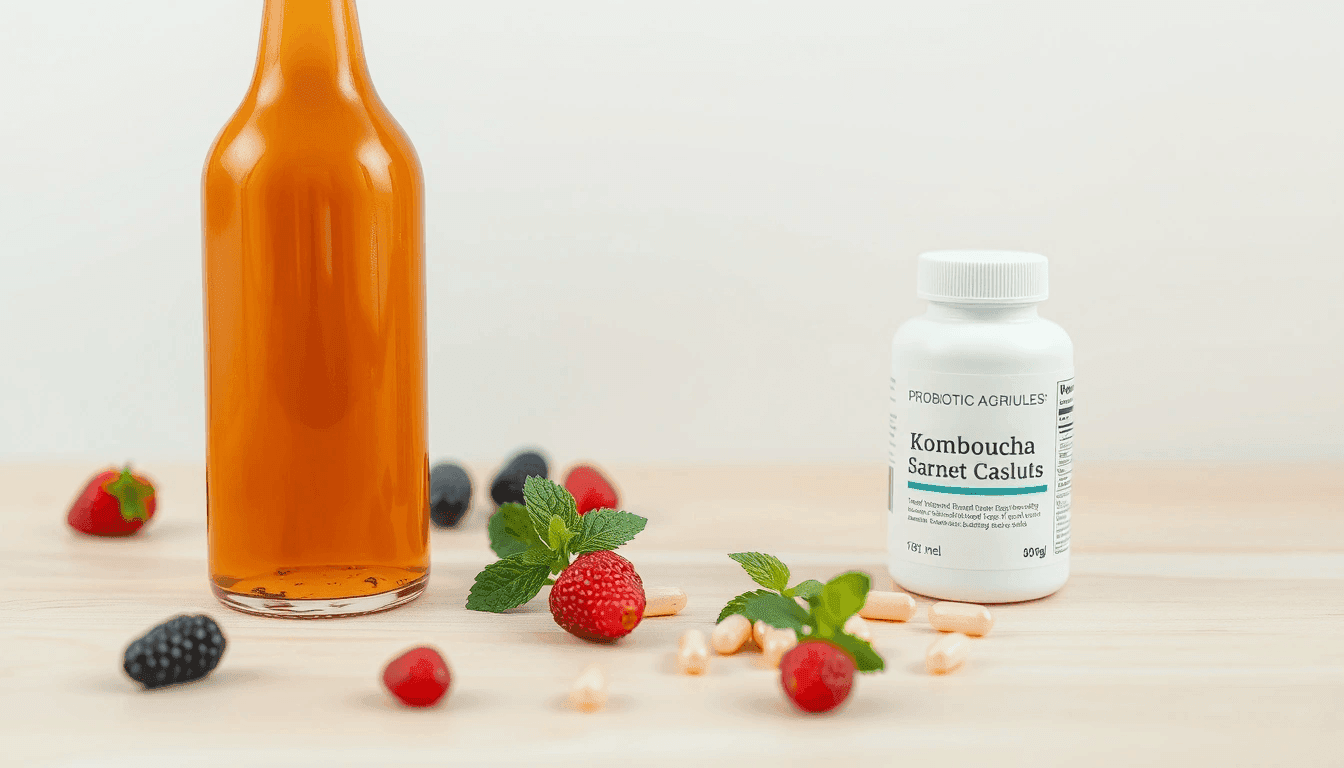
It feels like everywhere you look these days, someone's talking about gut health. And for good reason! Our gut microbiome – that bustling community of trillions of bacteria living inside us – plays a huge role in everything from digestion and mood to immunity and skin health. As we become more aware of its importance, two popular contenders often emerge in the quest for a happy gut: kombucha and probiotic capsules.
You might be standing in the health food aisle, wondering which one to grab, or perhaps you're just curious about the buzz. It can feel a bit overwhelming, right? Don't worry, you're not alone. Let's break down these two gut-friendly options, understand what makes them tick, and help you figure out which might be the better fit for you.
Before we dive into the nitty-gritty, let's quickly touch on why this topic even matters. A healthy gut means a balanced ecosystem of beneficial bacteria that help digest food, produce vitamins, fight off unwelcome pathogens, and even communicate with your brain. When this balance gets out of whack – say, from stress, poor diet, or antibiotics – you might experience digestive discomfort, energy dips, or even a dip in your overall well-being. Both kombucha and probiotic capsules aim to support this delicate balance by introducing more "good guys" into your system.
Think of kombucha as a slightly tangy, fizzy, and often fruity fermented tea. It's been around for centuries, originating in East Asia, and has recently soared in popularity.
How it's Made & What's Inside: Kombucha starts as sweetened tea (usually black or green). A special culture called a SCOBY (Symbiotic Culture Of Bacteria and Yeast) is added, and it gets to work fermenting the sugar. This fermentation process creates:
The Upsides of Kombucha:
Things to Consider with Kombucha:
A friendly reminder: If you're pregnant, breastfeeding, or have a compromised immune system, it's always best to chat with your doctor before consuming unpasteurized fermented foods like kombucha.
Probiotic capsules are dietary supplements that contain concentrated, freeze-dried beneficial bacteria (and sometimes yeast) in a convenient pill form.
How They Work & What's Inside: These capsules are designed to deliver a specific number of live microorganisms to your gut. When you look at a probiotic label, you'll often see:
The Upsides of Probiotic Capsules:
Things to Consider with Probiotic Capsules:
So, after all that, how do you decide? There's no single "winner" here; it truly depends on your individual needs, preferences, and health goals.
| Feature | Kombucha | Probiotic Capsules |
|---|---|---|
| Probiotic Delivery | General, varied, less quantifiable | Precise, targeted strains, measured CFUs |
| Other Benefits | Organic acids, antioxidants, hydrating, enzymes | No additional compounds beyond probiotics/prebiotics |
| Sugar/Alcohol | Can contain both (check labels!) | Generally free of sugar and alcohol |
| Convenience | Drink, needs refrigeration (usually) | Pill, easy to take, often shelf-stable |
| Cost | Can be expensive for daily consumption | Varies, high-quality can be costly |
| Best For | General wellness, enjoying a fermented drink | Specific health concerns, consistent dosing, avoiding sugar |
Consider these questions:
What's your main goal?
Are you sensitive to sugar or alcohol? If so, capsules offer a cleaner option.
How important is consistency and precision to you? Capsules offer a very controlled approach.
Do you enjoy the taste of kombucha? If not, forcing yourself to drink it daily won't be sustainable!
What's your budget? Factor in the long-term cost of either option.
The bottom line is often about synergy. Many people find benefit in incorporating both fermented foods (like kombucha, sauerkraut, or kimchi) into their diet for a natural, diverse probiotic intake, and using a targeted probiotic supplement when specific support is needed.
Ultimately, both kombucha and probiotic capsules can be valuable tools in your gut health journey. The "best" one is the one that aligns with your lifestyle, preferences, and health goals, and that you can consistently incorporate into a balanced, gut-friendly routine. Here's to a happy, healthy gut!
Unlock the gut-fatigue connection! If ME/CFS exhaustion persists, explore how gut health and probiotics can support your body's fight against Chronic Fatigue Syndrome.
Is the 'probiotics for weight loss' hype real? Get the honest scientific truth on gut health, metabolism, and effective strategies for a healthier you.
Feeling 'meh'? Explore how probiotics can transform your gut health, boost energy, mood, & immunity. Learn natural ways to integrate them into your daily wellness routine.