October 22, 2025
6 min read
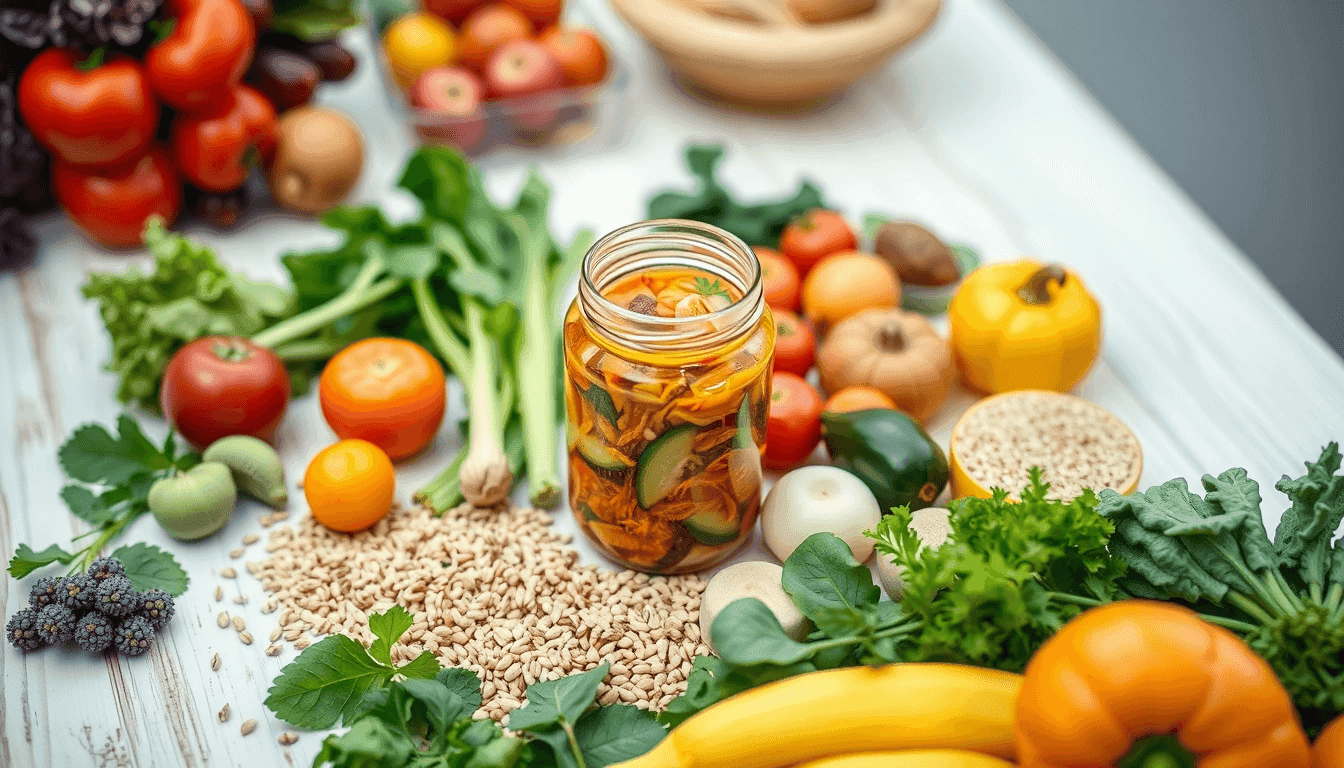
So, you’ve embraced a plant-based diet – that’s fantastic! You’re likely feeling lighter, more energetic, and proud of the positive impact you're making on your health and the planet. But as you navigate this delicious world of veggies, legumes, and grains, a common question often pops up: what about my gut health, especially probiotics?
It’s a great question, and one we’re going to explore together. You see, a thriving gut is the cornerstone of overall well-being, influencing everything from your digestion and immunity to your mood and energy levels. And when you're eating plant-based, you're already giving your gut a huge head start! Let’s break down how probiotics fit into this picture, clear up some common confusion, and give you practical ways to nurture your inner ecosystem.
Think of your gut as a bustling city, home to trillions of microorganisms. Among them are the "good guys" – beneficial bacteria and yeasts often referred to as probiotics. These microscopic allies play a crucial role in keeping things running smoothly.
They help you:
Here’s the wonderful news: a plant-based diet is inherently fantastic for your gut. Why? Because it’s naturally rich in fiber – and fiber is the ultimate food for your good gut bacteria, acting as a prebiotic. So, by eating plants, you're already feeding your inner superheroes!
There's a common misconception that you need dairy products like yogurt to get your probiotics. While dairy yogurt can be a source, it's certainly not the only source, nor is it the most effective for everyone. In fact, many traditional cultures have relied on fermented plant foods for centuries to get their beneficial bacteria.
The beauty of a plant-based diet is that it provides a diverse array of nutrients and fibers that create a welcoming environment for a wide variety of beneficial bacteria. Adding probiotic-rich plant foods simply takes that gut-loving goodness to the next level.
Ready to infuse your diet with more gut-friendly goodness? Here are some fantastic plant-based sources of probiotics you can easily incorporate:
The best part? Incorporating these foods into your plant-based diet is often quite simple and delicious!
You might be wondering if supplements are necessary. For most healthy individuals eating a varied plant-based diet rich in whole foods and some fermented options, a food-first approach is generally recommended. Food doesn't just provide probiotics; it also gives you fiber, vitamins, and minerals that work synergistically for your health.
However, there are times when probiotic supplements might be considered:
If you do consider a supplement, always consult with a doctor or a registered dietitian. They can help you choose a high-quality product with appropriate strains and dosages for your specific needs. Look for supplements with a variety of strains and a high CFU (colony-forming units) count from a reputable brand.
While probiotics are fantastic, remember they are just one piece of the puzzle. Your plant-based diet already lays an incredible foundation for gut health through:
Embracing the power of probiotics in your plant-based diet is a wonderful way to enhance your overall health and well-being. It’s not about perfection, but about making conscious, supportive choices for your body. Listen to your gut, experiment with new foods, and enjoy the journey to a happier, healthier you!
Unlock the gut-fatigue connection! If ME/CFS exhaustion persists, explore how gut health and probiotics can support your body's fight against Chronic Fatigue Syndrome.
Is the 'probiotics for weight loss' hype real? Get the honest scientific truth on gut health, metabolism, and effective strategies for a healthier you.
Feeling 'meh'? Explore how probiotics can transform your gut health, boost energy, mood, & immunity. Learn natural ways to integrate them into your daily wellness routine.