October 22, 2025
7 min read
Have you ever felt that frustrating "brain fog"? Those moments when your thoughts feel a bit sluggish, your memory isn't quite as sharp, or you struggle to focus? It’s a common experience, and it often leaves us wondering what we can do to give our brains a natural boost. While we often think of the brain as a separate entity, a fascinating field of research is revealing a profound connection between our gut and our mind.
This is where probiotics enter the conversation. You might know them as the "friendly bacteria" in yogurt, but their role in our overall health, particularly our cognitive function, is sparking a lot of interest. Let's dive in and explore this intriguing link, not with complicated jargon, but with a warm, practical lens.
Before we talk about probiotics, we need to understand a crucial concept: the gut-brain axis. Think of it as a super-highway of communication, a two-way street connecting your digestive system directly to your brain. It's not just a physical connection (like the vagus nerve); it's a complex network involving hormones, immune cells, and even neurotransmitters – the chemical messengers your brain uses.
It’s truly incredible to think that your gut, often called your "second brain," is constantly sending signals that can influence your mood, stress levels, and even your ability to think clearly.
When your gut is happy and balanced, it sends positive signals to your brain. But when things are off-kilter – maybe due to stress, a poor diet, or certain medications – it can send distress signals that might contribute to that brain fog or even impact your mood.
At their core, probiotics are live microorganisms – beneficial bacteria and yeasts – that, when consumed in adequate amounts, confer a health benefit to the host. They're the good guys in your gut microbiome, working hard to keep things balanced and healthy.
You'll find them naturally in fermented foods, and they're also available as supplements. But not all probiotics are created equal. Different strains (like Lactobacillus or Bifidobacterium) have different jobs, and research is ongoing to understand which strains are most effective for specific health outcomes.
This is where it gets really interesting! While the research is still developing, scientists are exploring several ways probiotics might positively impact cognitive function:
It's important to remember: we're not talking about a magic pill here. The science is complex, and individual responses can vary greatly. But the potential is certainly exciting!
Early human studies and animal models have shown promising results. For example:
The takeaway? While probiotics aren't a guaranteed cure for brain fog, the evidence strongly suggests they play a supportive role in overall brain health, primarily by fostering a healthy gut environment.
Ready to give your gut (and potentially your brain) some love? Here’s how you can realistically integrate probiotics into your daily life:
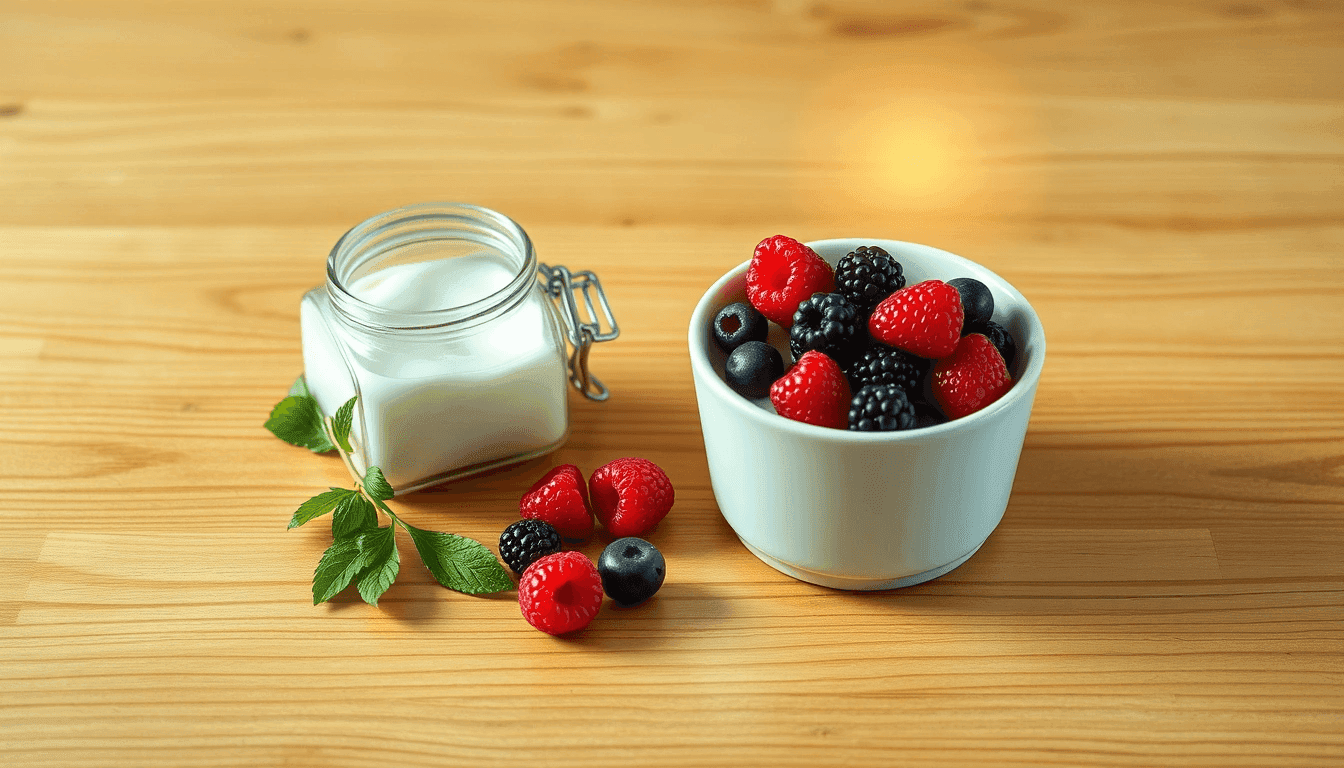
Embrace Fermented Foods First: This is often the best and most natural way to get a diverse range of beneficial bacteria.
Consider a Probiotic Supplement (Thoughtfully):
Feed Your Friendly Bacteria (Prebiotics): Probiotics need food to thrive! These are called prebiotics, and they're types of fiber found in foods like:
Eating a diverse, plant-rich diet is one of the best things you can do for your gut microbiome.
While probiotics offer a compelling piece of the puzzle, remember that your brain health is a symphony, not a solo act. For optimal cognitive function, consider these foundational elements:
Taking care of your gut is a powerful step towards taking care of your brain. It's not about finding a magic solution, but rather understanding the intricate connections within your body and supporting them naturally.
If you're experiencing persistent cognitive issues, always consult with your healthcare provider. They can help rule out underlying conditions and guide you on the best path forward. But for many of us, embracing gut-friendly foods and considering probiotics as part of a holistic wellness routine could be a wonderful way to support a sharper, clearer mind. Your brain (and your gut!) will thank you.
Unlock the gut-fatigue connection! If ME/CFS exhaustion persists, explore how gut health and probiotics can support your body's fight against Chronic Fatigue Syndrome.
Is the 'probiotics for weight loss' hype real? Get the honest scientific truth on gut health, metabolism, and effective strategies for a healthier you.

Feeling 'meh'? Explore how probiotics can transform your gut health, boost energy, mood, & immunity. Learn natural ways to integrate them into your daily wellness routine.