October 22, 2025
7 min read
It's a tough journey, isn't it? When you're grappling with depression, you often feel like you're searching for any glimmer of hope, any path towards feeling more like yourself again. We tend to focus on our brains, our thoughts, our daily struggles – and rightly so. But what if I told you that a significant part of the conversation about your mood might be happening not in your head, but in your gut?
It sounds a bit wild, I know. For years, the idea that the teeming world inside your intestines could influence something as complex as depression felt a little far-fetched to many. Yet, a growing body of research is showing us something truly fascinating: your gut and your brain are constantly talking to each other. And this conversation might hold some important keys for understanding and supporting your mental well-being.
Let's break this down together.
Imagine a two-way street connecting your digestive system directly to your brain. This isn't just any road; it's a bustling superhighway of nerves, hormones, and chemical messengers. We call it the gut-brain axis.
At the heart of this connection is your gut microbiome – a vibrant, diverse community of trillions of bacteria, viruses, and fungi living in your intestines. Think of it as its own complex ecosystem. When this ecosystem is healthy and balanced, it contributes to overall well-being. But when it's out of whack, it can send signals that affect everything from your digestion to, yes, your mood.
So, how does this relate to feeling down? Well, these tiny residents in your gut play a huge role in several areas that directly impact your mental health:
When we talk about probiotics and depression, we're really talking about nurturing this incredible gut-brain connection.
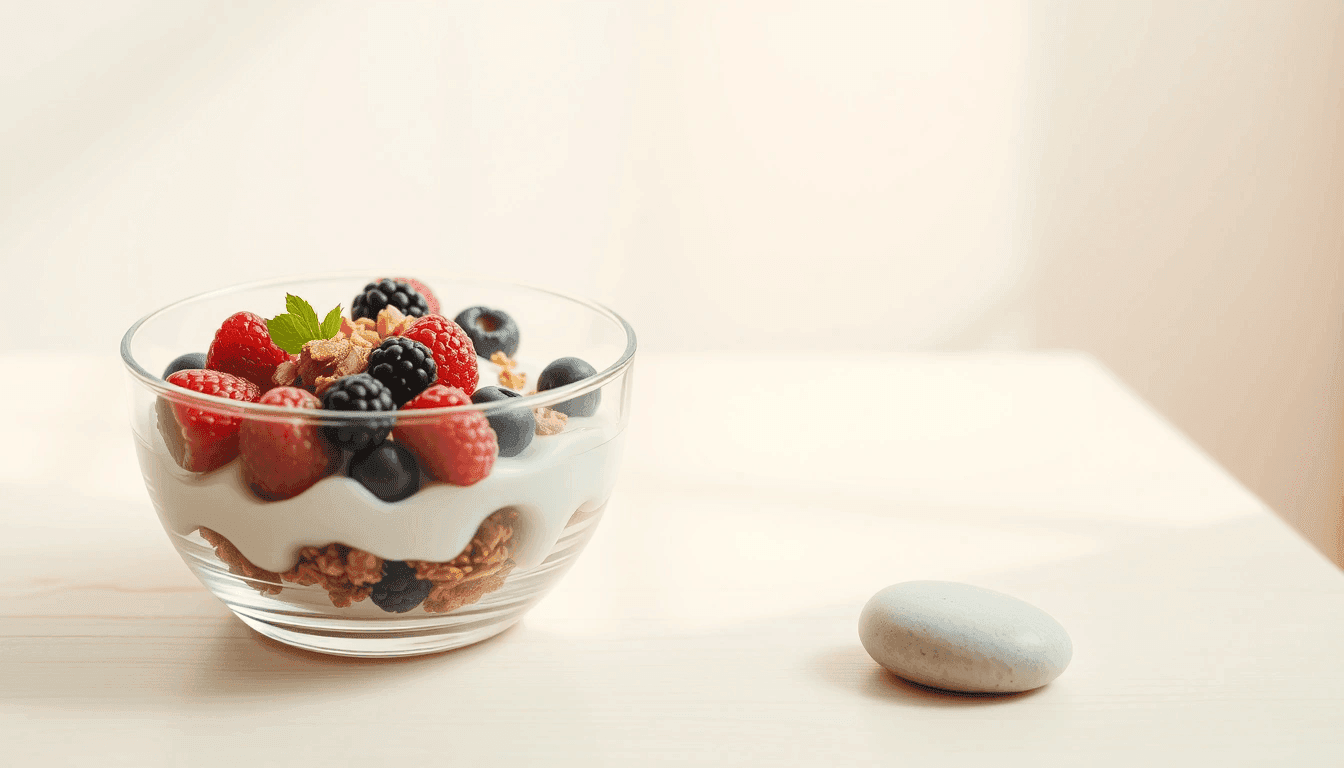
Simply put, probiotics are live microorganisms, usually bacteria, that when consumed in adequate amounts, provide a health benefit to the host. You might think of bacteria as "bad," but probiotics are the "good guys." They're the helpful residents that contribute to a balanced and thriving gut microbiome.
You find them naturally in fermented foods like yogurt, kefir, sauerkraut, kimchi, and kombucha. They're also available in supplement form.
Now, here's where we need to be both hopeful and realistic. The scientific community is genuinely excited about the potential of probiotics in supporting mental health, and particularly in the context of depression. Studies are emerging that suggest certain strains of probiotics, often called "psychobiotics" due to their potential mental health benefits, may help improve mood, reduce anxiety, and even lessen symptoms of depression.
Important Insight: While the research is promising and continuously expanding, it's still an emerging field. Probiotics are not a guaranteed cure for depression, nor are they a substitute for traditional treatments like therapy and medication. Think of them as a potentially powerful support system, part of a broader approach to wellness.
Many studies have shown that specific probiotic strains can:
However, the science is complex. Not all probiotics are created equal, and what works for one person might not work for another. The specific strains, dosages, and duration of use can all make a difference.
This isn't something to jump into blindly. Here are some thoughtful steps and considerations:
While the gut-brain connection is incredibly exciting, it's just one piece of the puzzle. Supporting your mental health is a multi-faceted endeavor. As you explore the potential benefits of probiotics, remember to also nurture these other vital aspects of your life:
The journey with depression can feel lonely and overwhelming. But understanding the intricate connections within your own body – like the surprising link between your gut and your brain – can offer new avenues for hope and empowerment. Exploring the role of probiotics is just one way to thoughtfully support your body's incredible ability to heal and find balance. Remember, you're not alone, and every small step you take towards understanding and nurturing your well-being is a step in the right direction.
Unlock the gut-fatigue connection! If ME/CFS exhaustion persists, explore how gut health and probiotics can support your body's fight against Chronic Fatigue Syndrome.
Is the 'probiotics for weight loss' hype real? Get the honest scientific truth on gut health, metabolism, and effective strategies for a healthier you.

Feeling 'meh'? Explore how probiotics can transform your gut health, boost energy, mood, & immunity. Learn natural ways to integrate them into your daily wellness routine.