October 22, 2025
6 min read
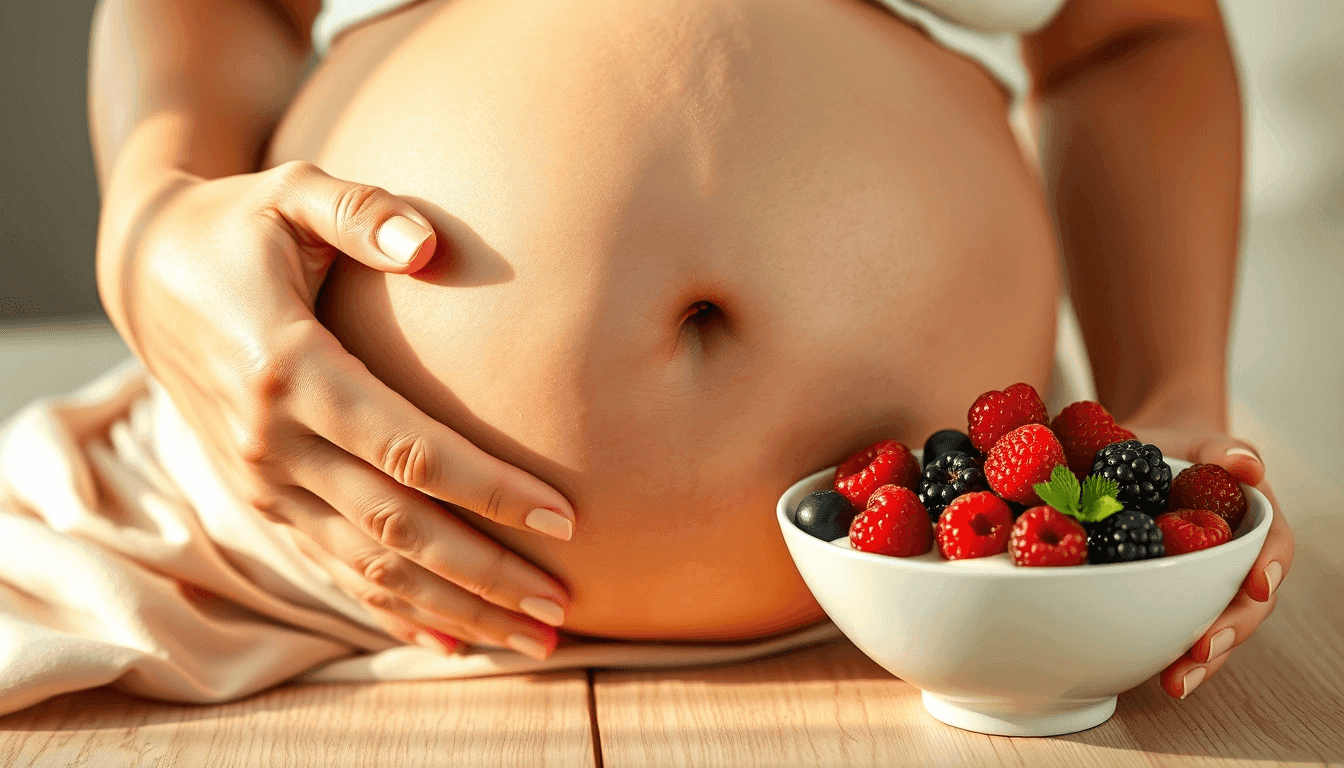
When you're expecting, every decision feels magnified, doesn't it? You're not just thinking about yourself anymore; you're nurturing a whole new life. It’s natural to want to do everything right, from what you eat to the supplements you consider. And lately, you might have heard a lot of buzz about probiotics – those friendly bacteria that live in our gut.
But what does that mean for you during pregnancy? Are they safe? Are they even helpful? Let’s break this down together, because understanding your body and making informed choices is one of the best gifts you can give yourself and your little one.
Think of your gut as a bustling city, home to trillions of microorganisms – bacteria, yeasts, and more. This community is called your microbiome. When you have a good balance of beneficial bacteria (the "probiotics"), this city runs smoothly. They help you digest food, absorb nutrients, and even play a huge role in your immune system.
During pregnancy, your body goes through incredible changes, and your microbiome is no exception. It actually adapts to prepare for childbirth, influencing everything from nutrient absorption to how your baby's own microbiome begins to form.
This is where it gets interesting! Research into probiotics during pregnancy is ongoing and exciting, showing several potential benefits for both mom and baby.
This is perhaps one of the most compelling aspects. Your baby's microbiome starts developing before birth, and then gets a significant "download" of bacteria as they pass through the birth canal. Early exposure to beneficial bacteria is crucial for their developing immune system and overall health.
Many studies are exploring how a mother's probiotic intake might influence her baby's risk of developing conditions like eczema, allergies, and even asthma later in life. While more research is always happening, the early findings are promising and suggest that a healthy maternal microbiome could be a powerful legacy for your child.
This is the most important thing on every expectant parent's mind, and rightly so. For most healthy pregnant individuals, probiotics are generally considered safe. In fact, many prenatal vitamins now include them!
However, this isn't a one-size-fits-all answer.
So, if you and your doctor decide probiotics are a good fit, how do you navigate the overwhelming number of options out there?
Supplements are one way to get your probiotics, but don't forget the power of food! Incorporating probiotic-rich foods into your diet is a delicious and natural way to support your gut health.
Remember, consistency is key. A daily dose, whether from food or supplements, is usually more effective than sporadic intake.
While probiotics offer exciting potential, it’s important to remember they are just one piece of the puzzle. A healthy pregnancy journey includes:
Probiotics can be a wonderful addition to this holistic approach, supporting your body as it does the incredible work of growing a baby.
Your body is doing something truly amazing right now. Giving it the best support, including a healthy gut, is an act of self-care that benefits both you and your little one.
Ultimately, the decision to take probiotics during pregnancy is a personal one, made in consultation with your healthcare provider. But armed with a better understanding of what they are and what they might offer, you can have a more informed and confident conversation. Here’s to a healthy, happy pregnancy journey!
Unlock the gut-fatigue connection! If ME/CFS exhaustion persists, explore how gut health and probiotics can support your body's fight against Chronic Fatigue Syndrome.
Is the 'probiotics for weight loss' hype real? Get the honest scientific truth on gut health, metabolism, and effective strategies for a healthier you.
Feeling 'meh'? Explore how probiotics can transform your gut health, boost energy, mood, & immunity. Learn natural ways to integrate them into your daily wellness routine.