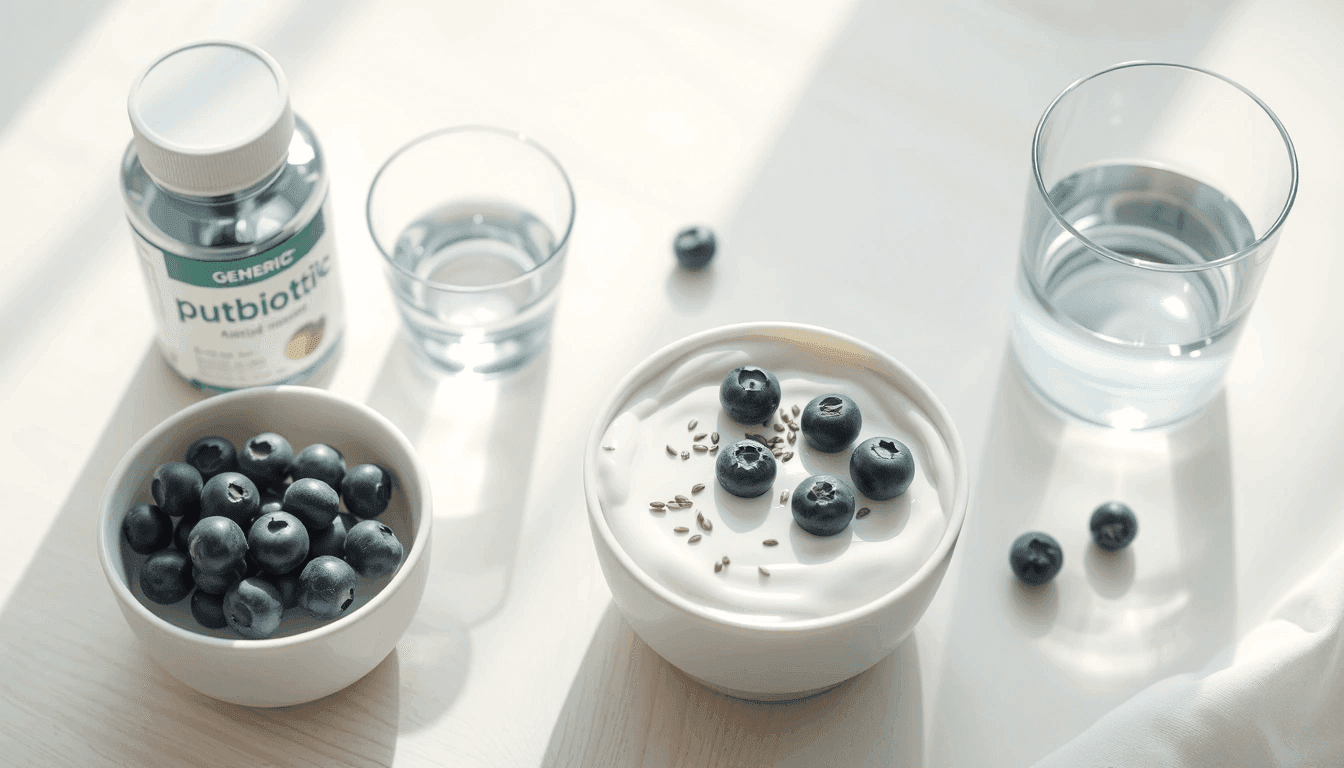
Probiotics for Bloating: Gentle Relief for a Happier Gut
October 22, 2025
7 min read

Probiotics for Bloating: Gentle Relief for a Happier Gut

Share:TwitterLinkedIn

You know the feeling. That uncomfortable tightness, the swollen belly, the sense that your clothes are suddenly a size too small. Bloating is incredibly common, and if you’ve experienced it, you know it can range from a mild annoyance to a truly miserable, energy-sapping ordeal. It can make you feel self-conscious, sluggish, and just plain off.

Many of us are constantly searching for ways to find relief, and in recent years, one solution has gained a lot of attention: probiotics. But what exactly are they, and can these tiny microbial helpers really make a difference for that persistent puffiness? Let’s break this down together.

The Bloating Story: Why Does It Happen?

Before we dive into probiotics, it’s helpful to understand why we get bloated in the first place. Often, bloating is a symptom of excess gas in your digestive system, or a disturbance in how your gut processes food. Common culprits include:

  • Diet: Certain foods (like beans, lentils, some vegetables, dairy, or artificial sweeteners) can produce more gas. Eating too quickly or drinking fizzy drinks can also contribute.
  • Digestion Issues: Conditions like Irritable Bowel Syndrome (IBS), food sensitivities (lactose intolerance, gluten sensitivity), or Small Intestinal Bacterial Overgrowth (SIBO) are often linked to bloating.
  • Gut Imbalance: Your gut is home to trillions of bacteria – a complex ecosystem known as the microbiome. When the balance between "good" and "bad" bacteria is off, it can lead to inefficient digestion and increased gas production.
  • Stress: Believe it or not, your gut and brain are intimately connected. Stress can significantly impact digestion and contribute to bloating.

Enter Probiotics: Your Gut's Tiny Team

So, where do probiotics fit into this picture? Simply put, probiotics are live microorganisms, often beneficial bacteria, that, when consumed in adequate amounts, provide a health benefit to the host. Think of them as reinforcements for the "good guys" in your gut.

Our digestive system needs a diverse and thriving community of beneficial bacteria to function optimally. These good bacteria help us:

  • Break down food
  • Absorb nutrients
  • Produce vitamins
  • Support our immune system
  • And, crucially, keep the potentially harmful bacteria in check

When your gut microbiome is out of whack – perhaps due to antibiotics, a poor diet, or stress – the "bad" bacteria can proliferate, leading to more gas, inflammation, and that all-too-familiar bloating. Probiotics aim to restore this delicate balance, helping your digestive system run more smoothly.

Can Probiotics Really Help with Bloating?

This is the million-dollar question, and the answer is a hopeful yes for many people, though it's not a magic bullet for everyone. The science behind probiotics for bloating is growing, and research suggests that certain strains can indeed be effective.

How do they work?

  1. Balancing the Microbiome: By introducing more beneficial bacteria, probiotics can help crowd out gas-producing microbes and restore a healthier bacterial balance.
  2. Improving Digestion: Some strains can help break down complex carbohydrates that might otherwise ferment and produce gas.
  3. Reducing Inflammation: A healthier gut lining, supported by good bacteria, can reduce inflammation that sometimes contributes to bloating and discomfort.
  4. Regulating Bowel Movements: For some, bloating is linked to constipation. Certain probiotics can help promote regularity, thereby reducing trapped gas and stool.

It’s important to remember that not all probiotics are created equal, and what works wonders for one person might not be the right fit for another. It’s about finding the right strain for your specific needs.

Choosing the Right Probiotic for Bloating

This is where it gets a little nuanced. With so many options on the market, how do you pick one? Here are some key things to look for:

  • Specific Strains: Research suggests certain strains are more effective for bloating. Look for products containing:
    • Lactobacillus plantarum (LP299V): Often studied for IBS symptoms, including bloating and pain.
    • Bifidobacterium lactis (HN019 or BB-12): Known for improving gut transit time and reducing gas.
    • Lactobacillus acidophilus (LA-5): A common, well-researched strain that can support overall gut health.
    • Saccharomyces boulardii: A beneficial yeast that can help with digestive upset, including some forms of diarrhea and related bloating.
  • CFUs (Colony Forming Units): This indicates the number of live organisms in each dose. For bloating, a range of 1 billion to 10 billion CFUs per serving is often recommended, though some specific strains might be effective at lower or higher doses. More isn't always better; potency and strain matter more.
  • Diversity: Some people benefit from a multi-strain probiotic, offering a broader range of beneficial bacteria.
  • Quality and Reputation: Choose reputable brands that clearly list the strains, CFUs, and expiration date. Look for products that are third-party tested if possible, ensuring what's on the label is in the bottle.
  • Formulation: Probiotics come in capsules, powders, and even fermented foods. Capsules are often convenient and designed to survive stomach acid.

A quick note on fermented foods: While delicious and healthy, foods like yogurt, kimchi, sauerkraut, and kefir contain beneficial bacteria. However, the specific strains and CFU counts can vary widely, making it harder to gauge their precise therapeutic effect for targeted issues like bloating. They are fantastic for general gut health, though!

How to Take Probiotics for Best Results

Once you've chosen a probiotic, here's how to maximize its potential:

  • Consistency is Key: Take your probiotic every day, as directed. It's not a quick fix; it takes time for the beneficial bacteria to establish themselves and make a difference. Think weeks, not days, for noticeable improvement.
  • Timing: Some probiotics are best taken with food, while others on an empty stomach. Follow the product's instructions. Often, taking it with a meal can help buffer stomach acid and allow more bacteria to reach your gut alive.
  • Patience: Don't expect immediate results. It can take 2-4 weeks to start feeling the benefits. Some people might experience a temporary increase in gas or bloating initially as their gut adjusts – this is usually a good sign that things are shifting.
  • Storage: Many probiotics need to be refrigerated to maintain potency. Always check the label!

Beyond Probiotics: A Holistic Approach

While probiotics can be a powerful tool, they are just one piece of the puzzle. For lasting relief from bloating, consider a more holistic approach:

  • Dietary Awareness:
    • Identify Trigger Foods: Keep a food diary to pinpoint what makes your bloating worse. Common culprits include high-FODMAP foods (certain fruits, vegetables, dairy, wheat), artificial sweeteners, and carbonated drinks.
    • Eat Mindfully: Chew your food thoroughly and eat slowly to avoid swallowing excess air.
    • Adequate Fiber: Too little or too much fiber can cause issues. Gradually increase fiber from whole foods, and drink plenty of water.
  • Hydration: Drink plenty of water throughout the day. Dehydration can slow digestion and contribute to constipation and bloating.
  • Stress Management: Practice stress-reducing techniques like meditation, yoga, deep breathing, or spending time in nature. Remember the gut-brain connection!
  • Regular Movement: Physical activity can help stimulate bowel movements and release trapped gas.
  • Limit Processed Foods: These often contain ingredients that can disrupt gut health and contribute to bloating.

When to Talk to Your Doctor

Probiotics can be a wonderful supportive measure, but they are not a substitute for professional medical advice.

Always consult your doctor if your bloating is severe, persistent, accompanied by other concerning symptoms (like unexplained weight loss, changes in bowel habits, severe pain, or blood in stool), or if you suspect an underlying medical condition. Your doctor can help rule out serious issues and guide you to the most appropriate treatment plan.

Finding Your Path to a Happier Gut

Dealing with bloating can be incredibly frustrating, but you're not alone. Exploring probiotics, alongside a mindful approach to diet and lifestyle, offers a promising path towards a more comfortable and happier gut. By understanding your body, making informed choices, and being patient with the process, you can empower yourself to find the relief you deserve. Your gut will thank you!
Related Articles