October 22, 2025
7 min read
Let's be honest, talking about constipation isn't exactly a favorite dinner topic. But for anyone who's experienced it, you know it's more than just an inconvenience – it can be truly miserable, affecting your mood, energy, and overall quality of life. That feeling of sluggishness, discomfort, and the sheer frustration of a "stuck" system is something many of us can relate to.
If you're reading this, chances are you've tried the usual advice: drink more water, eat more fiber. And while those are absolutely crucial, you might be wondering if there's something else out there, something that tackles the root of the problem. This is where probiotics often enter the conversation, offering a natural, gut-focused approach to finding some much-needed relief.
But what exactly are probiotics, and can these tiny organisms really make a difference when your digestive system feels like it's on strike? Let's break this down together.
Before we dive into probiotics, let's quickly touch on what constipation truly means. It's not just about how often you go; it's also about the quality of your bowel movements. You might be constipated if you:
When this happens, it's a sign that something in your digestive system isn't quite flowing as it should. It can be caused by many factors – diet, lack of exercise, stress, certain medications, or even underlying health conditions. But increasingly, we're realizing the crucial role our gut microbiome plays.
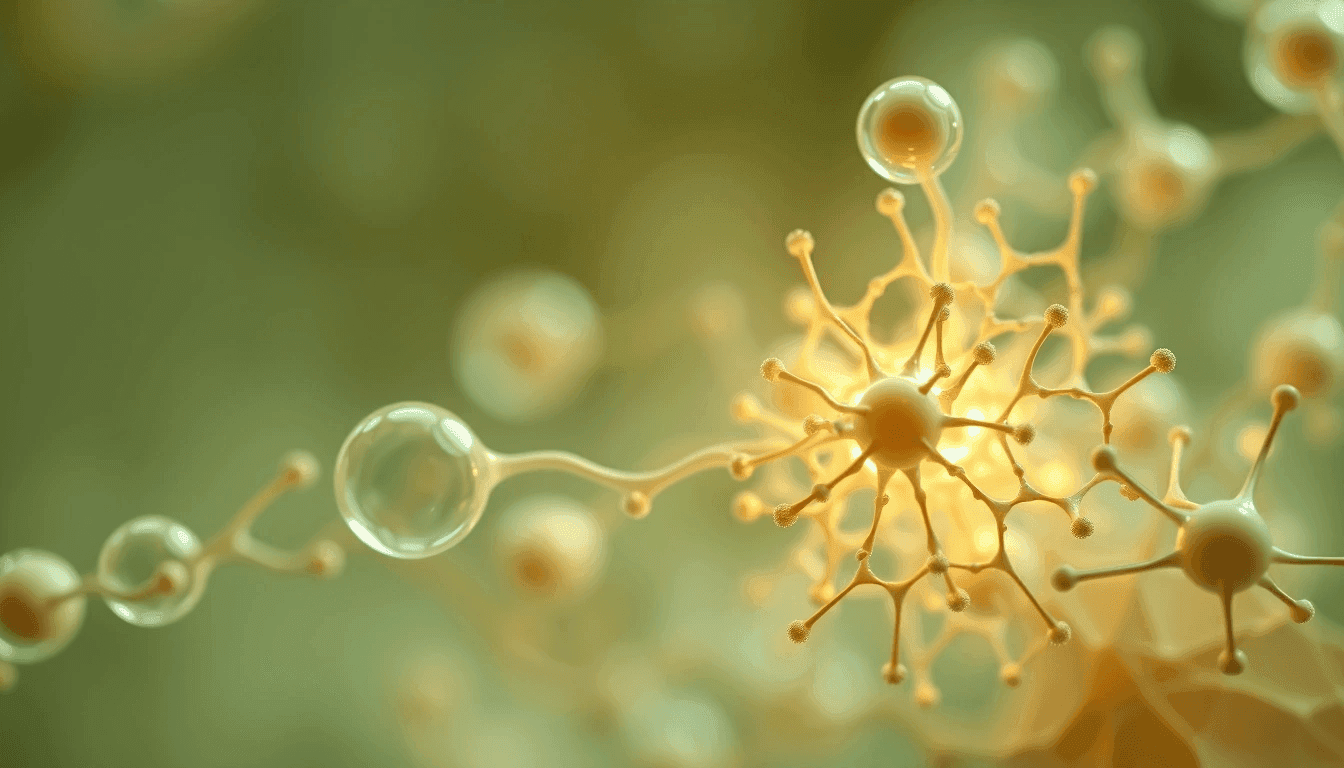
Imagine your gut as a bustling city, teeming with trillions of tiny residents – bacteria, fungi, and other microorganisms. This is your gut microbiome. Some of these residents are less friendly, while others, the probiotics, are beneficial. Think of probiotics as the "good" bacteria that work to keep your gut city running smoothly.
When your gut's balance is off – perhaps too many "bad" guys or not enough "good" ones – it can lead to digestive woes, including constipation. Probiotics, when introduced in adequate amounts, can help restore this delicate balance.
"Many health experts believe that a diverse and balanced gut microbiome is foundational to overall health, and a lack of beneficial bacteria can disrupt normal digestive function."
So, how do these microscopic allies specifically tackle constipation? Research suggests several ways:
It's important to remember that not all probiotics are created equal, and their effects can vary from person to person.
This is where it gets a little nuanced. Picking a random probiotic off the shelf might not give you the specific relief you're looking for. Here's what to consider:
You can find probiotics in supplements (capsules, powders, liquids) or in fermented foods like yogurt with live active cultures, kefir, sauerkraut, kimchi, and tempeh. While fermented foods are fantastic for gut health, supplements often provide a more concentrated and targeted dose of specific strains.
If you decide to give probiotics a try, here are some practical tips:
While probiotics can be a powerful tool, they work best as part of a broader strategy for gut health. Think of them as an important piece of the puzzle, not the entire picture. For truly lasting relief from constipation, consider these fundamental habits:
"Probiotics complement a healthy lifestyle; they don't replace it. Think of them as enhancing your existing good habits, not doing all the work for you."
Probiotics are generally safe for most people, but they are supplements, not medications. It's always wise to consult with your doctor or a registered dietitian before starting any new supplement, especially if you have underlying health conditions, are pregnant, breastfeeding, or taking other medications.
Also, if your constipation is severe, persistent, accompanied by blood in your stool, unexplained weight loss, or severe pain, please seek medical attention immediately. These could be signs of a more serious condition that requires professional diagnosis and treatment.
Living with constipation can feel isolating and draining, but you don't have to suffer in silence. Exploring probiotics is a promising step towards better gut health and smoother digestion. By understanding how they work, choosing the right ones, and combining them with healthy lifestyle choices, you can empower your gut to find its natural rhythm again. Here's to feeling lighter, more comfortable, and more in tune with your body!
Unlock the gut-fatigue connection! If ME/CFS exhaustion persists, explore how gut health and probiotics can support your body's fight against Chronic Fatigue Syndrome.
Is the 'probiotics for weight loss' hype real? Get the honest scientific truth on gut health, metabolism, and effective strategies for a healthier you.
Feeling 'meh'? Explore how probiotics can transform your gut health, boost energy, mood, & immunity. Learn natural ways to integrate them into your daily wellness routine.