October 22, 2025
6 min read
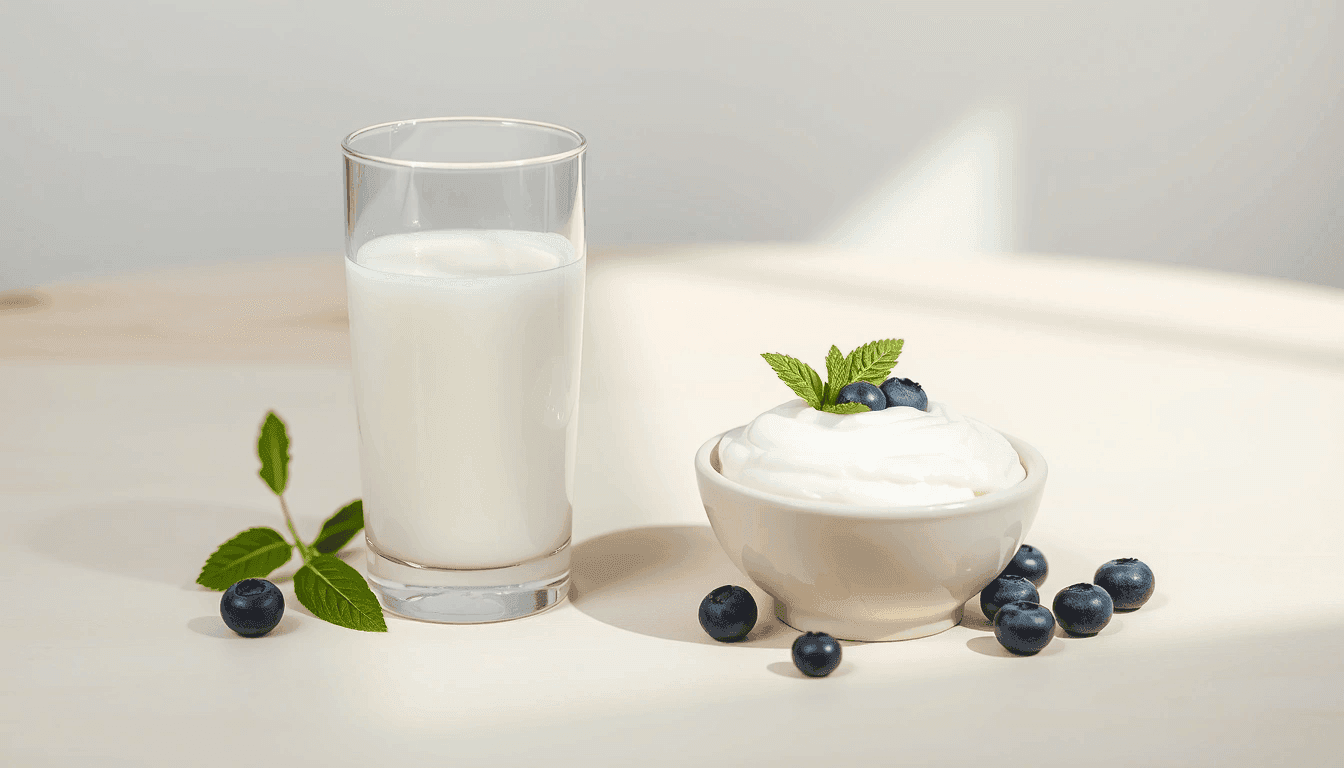
Living with lactose intolerance can feel like a constant game of "can I eat this?" It's frustrating, isn't it? That creamy latte, a scoop of ice cream on a warm day, or even just a splash of milk in your cereal can suddenly turn into a battle with bloating, gas, and discomfort. You're not alone in wishing for a way to enjoy these simple pleasures without the digestive distress.
That's where probiotics often enter the conversation, offering a glimmer of hope for many. But what exactly are they, and can these tiny microbial helpers really make a difference for your lactose intolerance? Let's break it down together.
First, a quick refresher on what's really going on. Lactose intolerance isn't an allergy; it's a digestive issue. It happens when your body doesn't produce enough of an enzyme called lactase. Lactase is the superhero responsible for breaking down lactose, the sugar found in milk and dairy products, into simpler sugars your body can easily absorb.
Without enough lactase, lactose travels undigested into your large intestine. There, bacteria have a field day, fermenting it and producing gas, which leads to those all-too-familiar symptoms:
It's a genuine bummer, often forcing us to skip delicious foods or stick to strictly lactose-free options.
Now, let's talk about probiotics. Simply put, probiotics are live microorganisms, often called "good" or "friendly" bacteria, that provide health benefits when consumed. You might already be familiar with them from yogurt commercials or health food aisles.
The idea behind using probiotics for lactose intolerance is quite fascinating. While your body might not be making enough lactase, some strains of probiotic bacteria actually possess the ability to produce lactase themselves!
Imagine having tiny, internal helpers that can step in where your own body falls short. That’s the potential magic of probiotics for lactose intolerance.
When you consume these specific probiotic strains, they can help break down lactose in your gut, potentially reducing the amount of undigested lactose that reaches your large intestine. This means fewer symptoms and, hopefully, more comfort after enjoying dairy. Beyond this direct action, a healthy balance of gut bacteria (supported by probiotics) can also improve overall digestive function, making your gut more resilient and less prone to general upset.
Not all probiotics are created equal, especially when it comes to tackling lactose intolerance. To find the most effective support, you'll want to look for specific strains that have shown promise in research.
Key strains to look for often include:
These strains are known for their ability to produce lactase or enhance the gut environment in ways beneficial for lactose digestion. When you're looking at supplements, check the label for these specific names.
You can get probiotics from two main sources:
Fermented Foods:
Probiotic Supplements:
So, how do you actually start using probiotics for better dairy comfort?
It's crucial to remember that probiotics are not a cure for lactose intolerance. Your body will still produce insufficient lactase. However, they can significantly improve your ability to digest lactose and reduce uncomfortable symptoms. Think of them as a supportive cast, making dairy a much more pleasant experience.
Some people find they can enjoy small amounts of dairy again, while others experience a reduction in the severity of their symptoms even when consuming dairy products they previously avoided. The journey is personal, and finding what works for you is key.
Imagine being able to enjoy a slice of pizza at a party, or a small scoop of your favorite ice cream, without dreading the aftermath. For many, integrating probiotics into their routine has made this a reality.
By understanding how probiotics can lend a helping hand to your digestive system, you're empowering yourself with a natural, gentle approach to managing lactose intolerance. It’s about more than just avoiding discomfort; it’s about reclaiming a bit of joy and freedom in your food choices. Give your gut a little love, and it just might love you back with newfound dairy comfort.
Unlock the gut-fatigue connection! If ME/CFS exhaustion persists, explore how gut health and probiotics can support your body's fight against Chronic Fatigue Syndrome.
Is the 'probiotics for weight loss' hype real? Get the honest scientific truth on gut health, metabolism, and effective strategies for a healthier you.

Feeling 'meh'? Explore how probiotics can transform your gut health, boost energy, mood, & immunity. Learn natural ways to integrate them into your daily wellness routine.