October 22, 2025
7 min read
Let's be honest, the journey to a healthy weight can often feel like an uphill battle. We count calories, hit the gym, and try every diet under the sun, often with frustratingly slow results. What if I told you there's a powerful, often overlooked player right inside you that could be influencing your weight, your metabolism, and even your cravings? We're talking about your gut, and specifically, the tiny, mighty organisms known as probiotics.
For years, we've thought of our gut primarily as a digestive organ. But modern science is shining a bright light on a vibrant, bustling ecosystem within us – our gut microbiome. It's home to trillions of bacteria, fungi, and other microbes, and these microscopic residents are far from passive. They play a crucial role in everything from our immune system to our mood, and yes, increasingly, they're being linked to how our bodies manage weight.
So, could nurturing these good guys with probiotics be a missing piece in your weight management puzzle? Let’s break this down.
Think of probiotics as the good bacteria – the friendly tenants in your gut. They're live microorganisms that, when consumed in adequate amounts, offer a health benefit to the host (that's you!). We're talking about specific strains, like Lactobacillus and Bifidobacterium, which help keep the peace and perform essential tasks in your digestive system.
They're not just about keeping you regular, though that's a fantastic benefit! These beneficial bacteria help break down food, absorb nutrients, produce vitamins, and even communicate with your brain. When your gut microbiome is thriving with a diverse population of these good bacteria, it creates a balanced environment that supports your overall health.
You might wonder, "How on earth do little bacteria in my belly affect my waistline?" It’s a fascinating, complex story that researchers are still unraveling, but here's what we know so far:
It's important to remember: our bodies are incredibly complex. Probiotics aren't a magic bullet for weight loss. They're one piece of a much larger, intricate puzzle.
So, with this gut-weight connection in mind, here’s how probiotics could potentially lend a helping hand in your quest for a healthier weight:
Here's where we need to be clear and honest: probiotics are not a substitute for a balanced diet, regular exercise, and a healthy lifestyle. If you're hoping to pop a pill and watch the pounds melt away without changing anything else, you'll likely be disappointed.
Think of probiotics as a supportive player, an ally in your journey. They enhance your efforts, rather than doing all the work for you. Their benefits are often subtle and cumulative, integrated into a broader wellness strategy.
"The most effective approach to weight management is always holistic. Probiotics can be a wonderful addition, but they thrive best when supported by other healthy habits."
Ready to give your gut a little love? Here are practical ways to incorporate probiotics:
Embrace Fermented Foods (Food First!): This is often the most natural and delicious way to get your probiotics.
Consider a Probiotic Supplement: If you're not a fan of fermented foods or feel you need a more targeted approach, a supplement might be an option.
Probiotics are fantastic, but they work best in a healthy environment. Here’s how to create that welcoming home for your good bacteria:
The journey to a healthier weight and a more vibrant you is rarely about one single thing. It's a symphony of choices, habits, and understanding how your body works. By recognizing the powerful role your gut plays, and by thoughtfully incorporating probiotics and gut-friendly habits into your life, you're not just aiming for a number on the scale. You're nurturing a deeper, more fundamental aspect of your well-being that can lead to feeling lighter, more energetic, and truly healthier from the inside out.
Be patient with your body, listen to its signals, and remember that every small, positive step you take towards a healthier gut is a step towards a healthier you.

Unlock the gut-fatigue connection! If ME/CFS exhaustion persists, explore how gut health and probiotics can support your body's fight against Chronic Fatigue Syndrome.
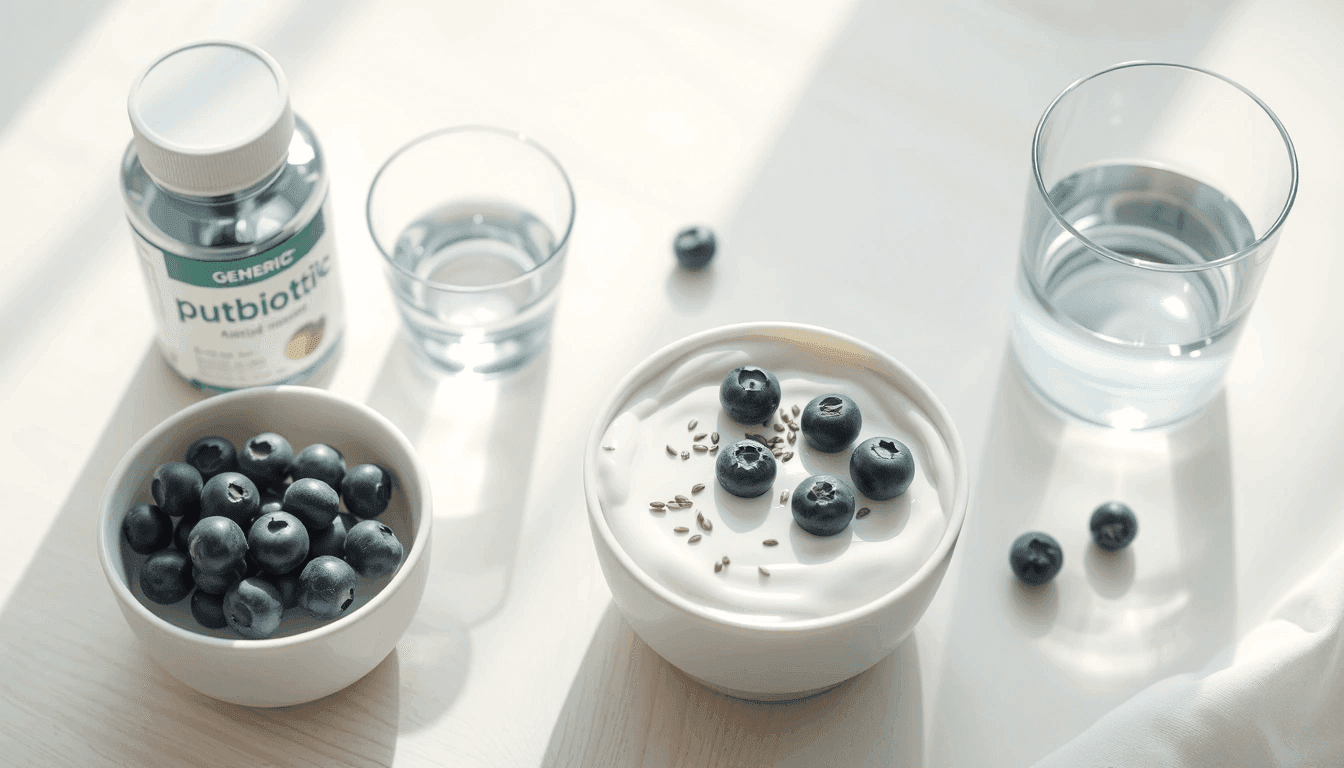
Is the 'probiotics for weight loss' hype real? Get the honest scientific truth on gut health, metabolism, and effective strategies for a healthier you.

Feeling 'meh'? Explore how probiotics can transform your gut health, boost energy, mood, & immunity. Learn natural ways to integrate them into your daily wellness routine.