October 22, 2025
7 min read
Ever feel like your gut has a mind of its own? Maybe you've experienced bloating, an unexpected energy dip, or even a shift in your mood that seems to come out of nowhere. It turns out, that "gut feeling" is more than just an expression – it's often your body communicating about the bustling, microscopic world living inside you. This inner world, known as your gut flora or microbiome, plays a surprisingly huge role in how you feel every single day.
And that's where probiotics often enter the conversation. But what exactly are they, and how do they really help balance this intricate internal ecosystem? Let's break this down in a way that makes sense for your daily life.
Imagine your digestive tract as a vibrant, incredibly diverse city. This city is home to trillions of tiny residents – bacteria, viruses, fungi, and other microorganisms. Collectively, they're called your gut flora or microbiome. Don't worry, most of these residents are friendly, hard-working allies! They help with digestion, produce vitamins, and even communicate with your immune system and brain.
When this city is thriving, with a good balance of diverse, beneficial microbes, everything tends to run smoothly. But sometimes, the balance gets disrupted. Things like stress, a diet heavy in processed foods, lack of sleep, or even a course of antibiotics can cause the "bad guys" to outnumber the "good guys," leading to a less harmonious environment. This imbalance can show up in many ways, from digestive discomfort to feeling generally unwell.
So, where do probiotics fit in? Simply put, probiotics are live microorganisms – often specific strains of beneficial bacteria or yeasts – that, when consumed in adequate amounts, provide a health benefit to the host. Think of them as reinforcements for your gut's good bacteria, helping to restore balance and strengthen the community already there.
They're not a magic bullet, but they can be a powerful tool in supporting your gut's natural defenses and functions.
The impact of a balanced gut extends far beyond just smooth digestion. It's truly foundational to your overall well-being:
"Your gut is like a second brain, constantly sending signals that influence your mood, energy, and overall health. Nurturing it is one of the best investments you can make in your well-being."
The most natural and often most effective way to support your gut flora is through your diet.
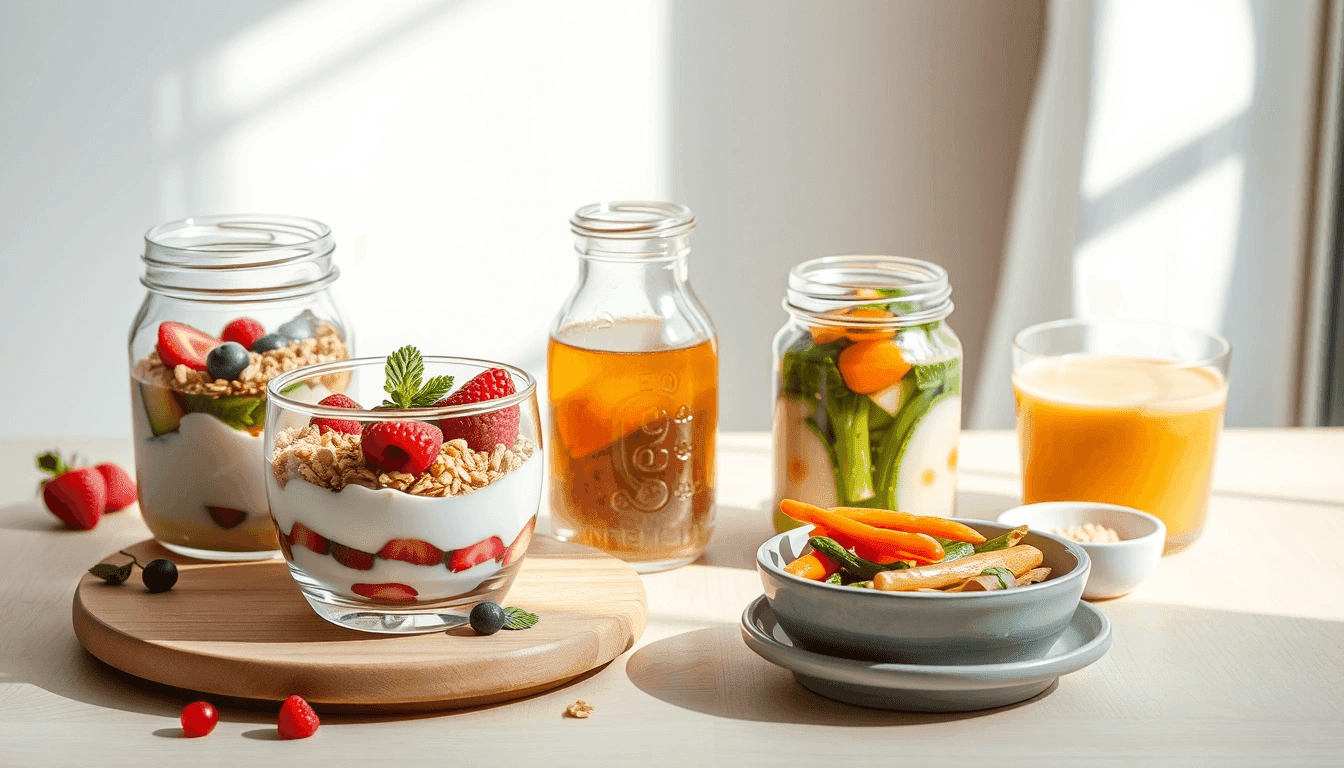
1. Fermented Foods: A Delicious Way to Introduce Good Bacteria These foods naturally contain beneficial live cultures. Incorporating them regularly can make a big difference:
Think of these foods as planting diverse seeds in your gut garden. The more variety you introduce, the richer your ecosystem becomes.
2. Probiotic Supplements: When They Might Be Helpful While food is fantastic, sometimes a supplement can offer a more concentrated, targeted dose of specific probiotic strains. This can be particularly useful if:
The supplement aisle can be overwhelming! Here's what to look for to make an informed choice:
Important Note: Probiotic supplements aren't a one-size-fits-all solution. What works wonders for one person might not be the right fit for another. It's often a process of listening to your body and, ideally, discussing with a healthcare professional.
While probiotics are powerful, they're just one piece of the puzzle. To truly foster a balanced gut flora, consider these holistic lifestyle approaches:
While probiotics and lifestyle changes can do wonders, it's crucial to know when to seek professional medical advice. If you're experiencing:
Always consult your doctor or a registered dietitian before starting any new supplement regimen, especially if you have underlying health conditions or are immunocompromised. They can help you determine the best approach for your unique needs.
Nurturing your gut flora is an ongoing journey, not a quick fix. By understanding the incredible power of your inner world and making conscious choices about your diet and lifestyle, you can empower your body to find its natural balance. Probiotics, both from food and potentially supplements, are wonderful allies in this quest, helping you cultivate a thriving internal ecosystem that supports your health from the inside out. Your body will thank you for it!
Unlock the gut-fatigue connection! If ME/CFS exhaustion persists, explore how gut health and probiotics can support your body's fight against Chronic Fatigue Syndrome.
Is the 'probiotics for weight loss' hype real? Get the honest scientific truth on gut health, metabolism, and effective strategies for a healthier you.

Feeling 'meh'? Explore how probiotics can transform your gut health, boost energy, mood, & immunity. Learn natural ways to integrate them into your daily wellness routine.