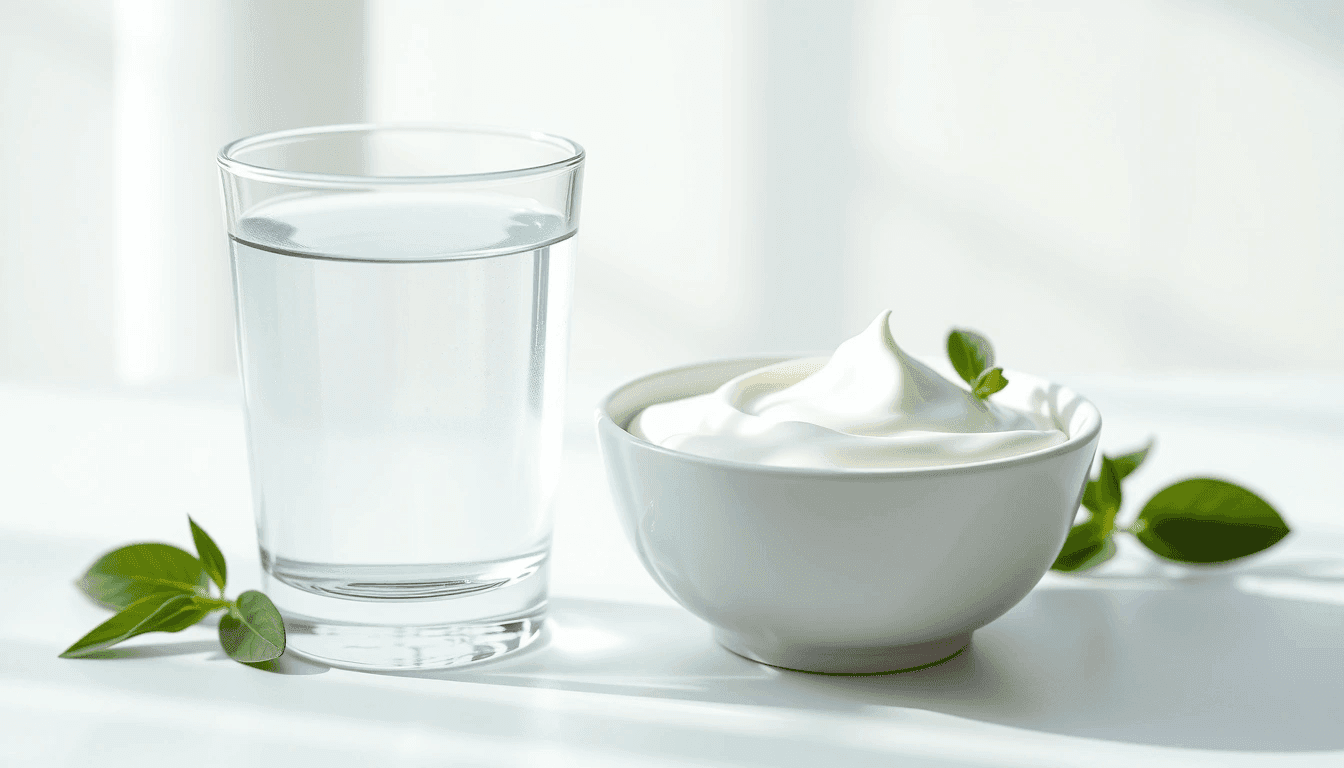

Ever feel like you’re doing all the "right" things for your health – maybe taking a probiotic, trying to eat well – but still not quite hitting that sweet spot of feeling truly vibrant? It’s a common feeling, and often, the missing piece isn't some complex new supplement, but rather something incredibly fundamental: water.
Yes, that simple, clear liquid we often take for granted. When we talk about cultivating a happy, healthy gut, we usually focus on probiotics – those amazing friendly bacteria that do so much for us. But here’s a little secret: your probiotics need hydration as much as you do. They can’t do their best work in a parched environment. Let’s dive into why these two seemingly separate elements are actually a powerful, dynamic duo for your overall well-being.
The Gut Garden: Where Probiotics Live and Thrive
First, a quick refresher on our tiny gut inhabitants. Probiotics are living microorganisms, mainly bacteria and some yeasts, that, when consumed in adequate amounts, provide a health benefit to the host – that's you! They’re like tiny, beneficial gardeners tending to the ecosystem of your intestines.
They help with so much: breaking down food, absorbing nutrients, producing vitamins, supporting your immune system, and even influencing your mood. But just like any living thing, they have specific needs to survive and flourish. And a big one, often overlooked, is a constant supply of water.
Why Hydration is Your Body's Baseline
We hear it all the time: "Drink more water!" But it’s not just a catchphrase; it's foundational to life itself. Water makes up a huge percentage of our body weight and is involved in virtually every bodily function:
- Digestion and Nutrient Absorption: It helps break down food and allows nutrients to be absorbed into your bloodstream.
- Waste Elimination: Water keeps things moving through your digestive tract, preventing constipation and helping your body flush out toxins.
- Temperature Regulation: It helps maintain your body's core temperature.
- Joint Lubrication, Organ Protection, Energy Levels... the list goes on!
When you're even mildly dehydrated, all these processes start to slow down and become less efficient. And guess what? Your gut, and all those hardworking probiotics within it, are no exception.
The Unbreakable Bond: How Hydration Fuels Your Probiotics
Here’s where the magic really happens – the beautiful synergy between probiotics and hydration.
- Water is Their Home: Think of your gut as a complex, bustling city. Probiotics are the essential workers. They need a fluid environment to move around, interact with your gut lining, and do their jobs. Without enough water, your gut can become a dry, sluggish place, making it harder for these beneficial bacteria to survive, colonize, and multiply.
- Aiding Transit and Digestion: When you're well-hydrated, your digestive system works smoothly. Food moves through your intestines more easily, allowing probiotics to effectively interact with it and help with its breakdown. It also helps them reach the further parts of your gut where they often do their best work.
- Nutrient Delivery: Water helps transport the nutrients that probiotics need to thrive. Just like we need food to live, probiotics need specific prebiotics (fibers) and other compounds, which are delivered more efficiently in a well-hydrated system.
- Supporting the Gut Barrier: A healthy gut lining is crucial for overall health, preventing unwanted substances from entering your bloodstream. Probiotics play a role in maintaining this barrier, and adequate hydration supports the integrity and function of the cells lining your gut. When you're dehydrated, this barrier can become compromised, making it harder for your gut to do its job.
- Softening the Stool: This might not sound glamorous, but it’s critical. Probiotics help with digestive regularity. If you’re dehydrated, your stool can become hard and difficult to pass, which creates an uncomfortable environment for your gut bacteria and can lead to bloating and discomfort. Proper hydration ensures softer stools, making waste elimination easier and more regular.
Imagine trying to garden in dry, cracked earth. It’s tough, right? Your gut is similar. For your probiotic "garden" to flourish, it needs consistent, gentle watering.
Recognizing the Signs: Are You Falling Short?
Sometimes we don't even realize we're mildly dehydrated, or that our gut could use a little more support. Here are some subtle clues:
- Fatigue or Low Energy: Even mild dehydration can make you feel sluggish.
- Brain Fog or Difficulty Concentrating: Your brain needs water to function optimally.
- Dry Skin or Lips: A classic sign your body needs more fluid.
- Infrequent or Hard Stools: A clear indicator of digestive slowdown potentially due to lack of water.
- Persistent Bloating or Gas: An unhappy gut, which can be exacerbated by dehydration, often expresses itself this way.
- Darker Urine: Your urine should be a pale yellow. If it's darker, you likely need more water.
If you're experiencing some of these, especially while also trying to support your gut with probiotics, it's a strong signal to prioritize your hydration.
Actionable Steps: Making Probiotics and Hydration Work for You
So, how do you put this knowledge into practice? It's simpler than you might think.
-
Make Water Your Primary Drink:
- How much? A general guideline is around 8 glasses (about 2 liters) a day, but this varies based on activity level, climate, and individual needs. Listen to your body!
- Sip throughout the day. Don't wait until you're parched. Carry a reusable water bottle.
- Infuse it! If plain water feels boring, add slices of cucumber, lemon, berries, or a few mint leaves for a refreshing twist.
- Herbal teas (unsweetened) also count towards your fluid intake.
-
Consider Electrolytes (When Needed):
- If you're exercising intensely, in a hot climate, or feeling unwell, you might need more than just water. Electrolytes (like sodium, potassium, magnesium) help your body absorb and retain water. You can get these from mineral-rich foods, or by adding a pinch of sea salt to your water.
-
Boost Probiotics Through Food:
- Fermented foods are a fantastic source of natural probiotics. Think unsweetened yogurt, kefir, sauerkraut, kimchi, tempeh, and kombucha. Incorporate them into your daily meals.
- Remember, variety is key! Different fermented foods offer different strains of beneficial bacteria.
-
Mind Your Probiotic Supplements:
- If you take a probiotic supplement, always take it with a glass of water. This helps the capsule or tablet travel down to your gut more easily and also provides the immediate fluid environment your probiotics need.
- Many experts suggest taking probiotics with a meal, as the food can help buffer stomach acid, allowing more of the good bacteria to reach your intestines alive.
-
Create a Hydration Habit:
- Start your day with a big glass of water before coffee or tea.
- Set reminders on your phone to drink water every hour or so.
- Keep a pitcher of water visible on your desk or counter.
- Pair drinking water with other daily habits, like after every bathroom break or before each meal.
A Gentle Reminder: Listen to Your Body
It’s important to remember that everyone's body is unique. What works perfectly for one person might need slight adjustments for another. Pay attention to how you feel. Are your energy levels improving? Is your digestion smoother? Is your skin looking healthier? These are all signs that your proactive steps are paying off.
There’s no magic pill for health, but there are powerful, natural partnerships. The one between probiotics and hydration is a prime example of how simple, consistent choices can lead to profound improvements in how you feel every single day.
By consciously connecting your hydration habits with your gut health goals, you're not just taking a supplement; you're nurturing a thriving internal ecosystem. So, go ahead, grab a glass of water – your gut will thank you!
Related Articles

Can Probiotics Help Chronic Fatigue? Exploring the Gut-Brain Link
Unlock the gut-fatigue connection! If ME/CFS exhaustion persists, explore how gut health and probiotics can support your body's fight against Chronic Fatigue Syndrome.
Probiotics & Weight Loss: Unpacking Gut Health Hype & Real Facts
Is the 'probiotics for weight loss' hype real? Get the honest scientific truth on gut health, metabolism, and effective strategies for a healthier you.
Probiotics for Daily Wellness: Simple Ways to Feel Your Best
Feeling 'meh'? Explore how probiotics can transform your gut health, boost energy, mood, & immunity. Learn natural ways to integrate them into your daily wellness routine.