Ever feel like your gut has a mind of its own? Bloating, discomfort, or just a general "off" feeling can really put a damper on your day. It’s no secret that gut health is a hot topic, and for good reason – it impacts everything from digestion and immunity to even your mood! And when we talk gut health, probiotics often come up. But how do you actually get these beneficial bugs into your daily routine in a way that’s both effective and enjoyable?
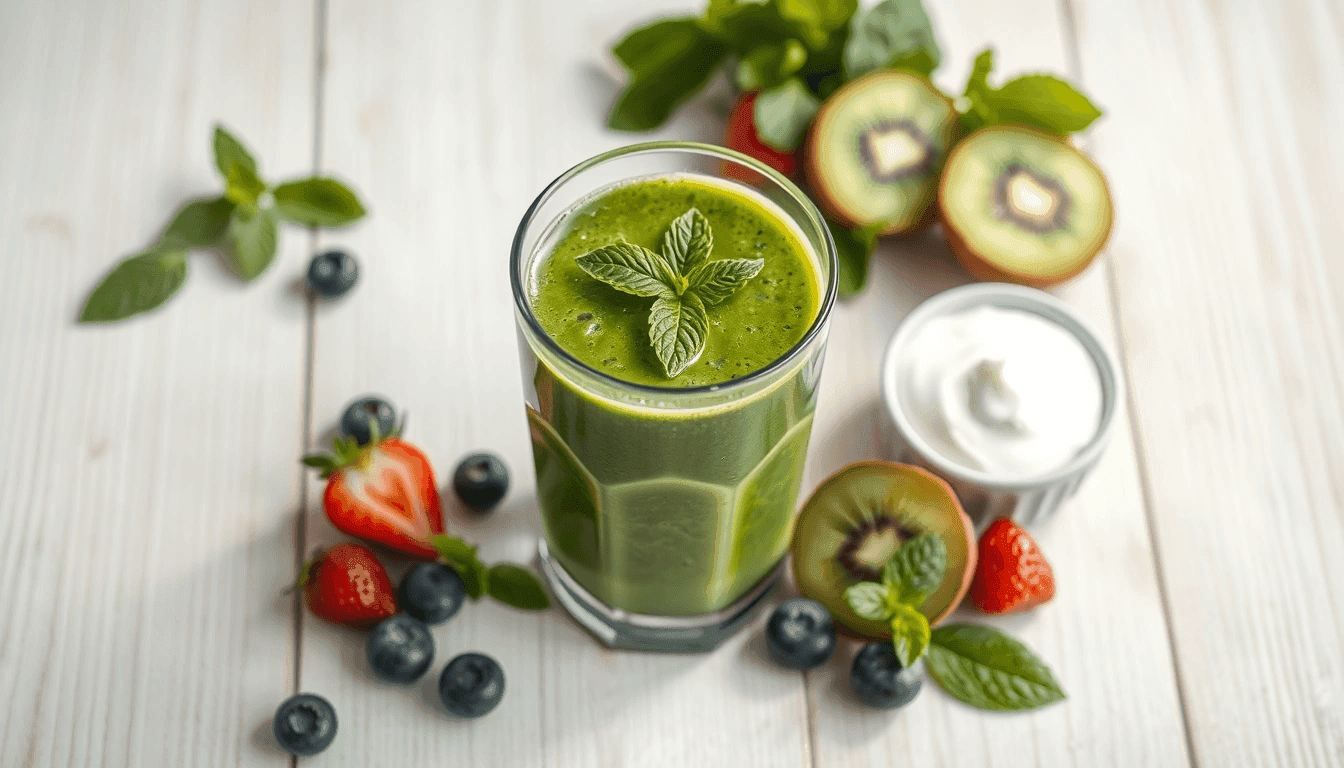
Enter smoothies. These delicious, customizable concoctions are already a go-to for many of us looking for a quick nutrient boost. What if I told you they could also be the perfect vehicle for a happier gut? Let’s dive in and explore how you can easily blend your way to better gut health.
Before we start blending, let's quickly chat about what probiotics actually are. Think of them as the "good guys" in your gut, tiny living microorganisms (bacteria and yeasts) that help keep your digestive system in balance. Our guts are home to trillions of these microbes, a complex ecosystem often called the gut microbiome.
When the balance of good and bad bacteria gets out of whack – perhaps due to stress, diet, or medication – that's when you might start feeling those unwelcome digestive woes. Probiotics help restore and maintain that healthy balance.
Why bother with them?
- Digestion: They help break down food, absorb nutrients, and can ease issues like bloating, gas, and constipation.
- Immunity: A significant portion of your immune system resides in your gut, and a balanced microbiome helps keep it strong.
- Mood: Emerging research even suggests a link between gut health and brain function, often called the "gut-brain axis." A happy gut might just contribute to a happier you!
You might be thinking, "Can't I just take a pill?" And yes, you can! But smoothies offer some unique advantages:
- Delicious Delivery: Let's face it, getting your daily dose of anything is easier when it tastes good. Smoothies make probiotics a treat, not a chore.
- Nutrient Powerhouse: You're not just getting probiotics; you're also packing in fiber, vitamins, and minerals from fruits, vegetables, and other ingredients. This fiber, by the way, acts as prebiotics – essentially food for your good gut bacteria!
- Hydration: Smoothies contribute to your daily fluid intake, which is always a plus for overall health.
- Customization: You control the ingredients, meaning you can tailor your probiotic smoothie to your taste, dietary needs, and specific gut health goals.
There are two main ways to introduce probiotics into your blended creations: through probiotic-rich foods or probiotic supplements.
This is often the most accessible and delicious way to get your good bacteria.
- Yogurt: This is probably the most common choice. Look for plain, unsweetened yogurt (dairy or plant-based like almond, coconut, or soy) that specifically states "live and active cultures" on the label. Greek yogurt is great for extra protein!
- Kefir: A fermented milk drink (dairy or non-dairy) that's thinner than yogurt and typically contains an even wider variety of beneficial bacteria and yeasts. It has a slightly tart, tangy flavor that blends beautifully.
- Fermented Milks: Some specialized products like L. casei enriched milks are also available.
Tips for Food Sources:
- Check the Label: Always look for "live and active cultures" or specific probiotic strains listed. If it's been heat-treated after fermentation, the beneficial bacteria might be gone.
- Go Unsweetened: Added sugars can feed less desirable gut bacteria, so opt for plain and sweeten naturally with fruit.
- Variety is Key: Don't stick to just one type of yogurt forever. Rotating your sources can introduce a broader range of beneficial strains to your gut.
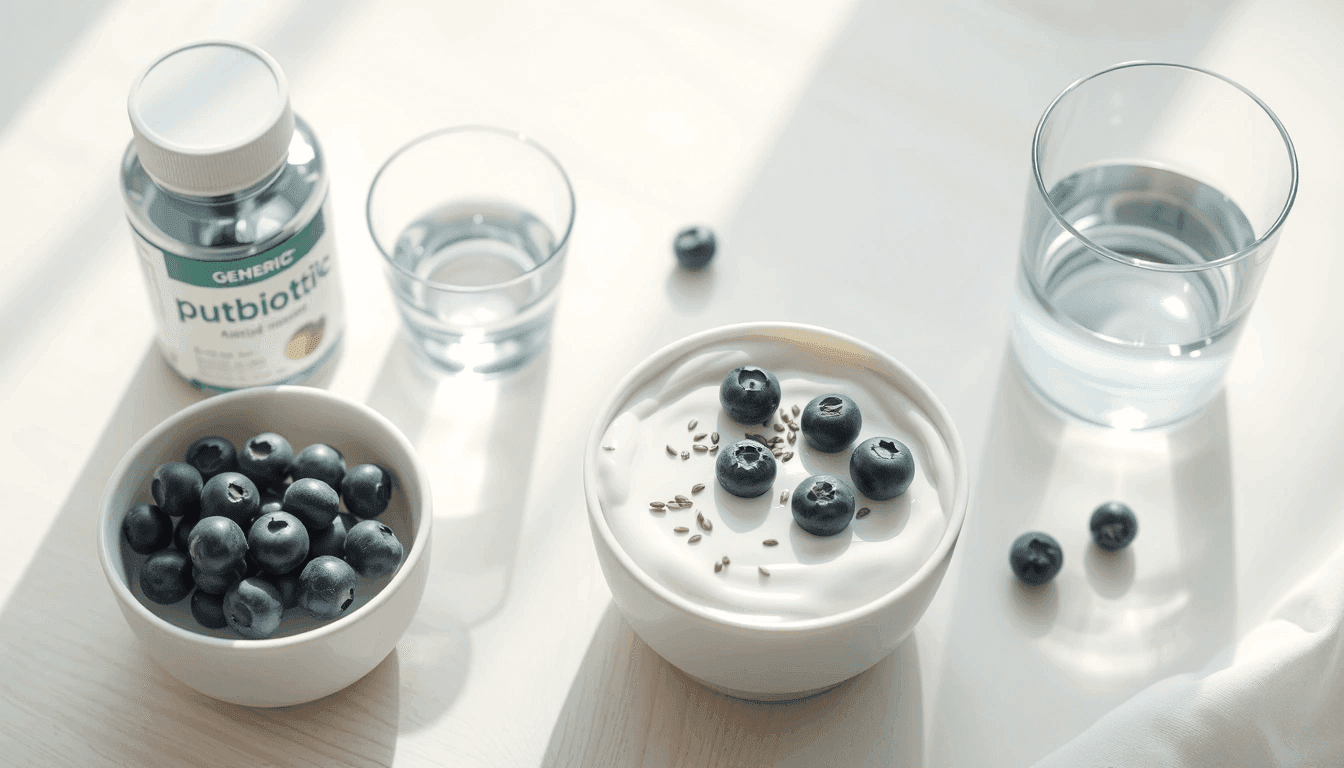
For those who prefer a more targeted approach, or if you're avoiding dairy/fermented foods, probiotic supplements in powder or capsule form are an excellent option.
- Probiotic Powders: These are designed to be mixed into liquids and often dissolve easily. They're typically flavorless (or subtly so) and can be added directly to your blender.
- Probiotic Capsules: You can simply open a capsule and pour its contents into your smoothie. This is a great way to ensure you're getting specific strains and dosages recommended by a healthcare professional.
Tips for Supplement Sources:
- Choose Reputable Brands: Quality matters. Look for brands that are third-party tested and have good reviews.
- Storage Matters: Many probiotic supplements need to be refrigerated to maintain their potency. Check the label!
- CFU Count: This stands for "Colony Forming Units" and indicates the number of live organisms in a dose. A higher CFU count doesn't always mean "better," but it's a factor to consider.
- Strain Specificity: Different strains (e.g., Lactobacillus acidophilus, Bifidobacterium lactis) offer different benefits. If you have specific gut concerns, talk to a doctor or dietitian about which strains might be best for you.
You've got your probiotics, now let's make sure they thrive in your smoothie!
- Keep it Cool: Probiotics are living organisms, and heat can kill them. Always add your probiotic-rich ingredients or supplements to a cold smoothie. Don't warm your smoothie or let it sit out at room temperature for too long.
- Blend Gently (and Quickly): While blending won't instantly kill probiotics, excessive heat generated by prolonged blending might. Blend just enough to achieve your desired consistency.
- Drink Fresh: For maximum potency, enjoy your probiotic smoothie soon after you make it. The longer it sits, especially at room temperature, the more the probiotic count can diminish.
- Pair with Prebiotics: Remember that fiber from fruits, vegetables, oats, and seeds in your smoothie? That's food for your probiotics! A smoothie naturally rich in these ingredients creates a perfect environment for the good bacteria to flourish. Think bananas, berries, spinach, chia seeds, flax seeds.
- Listen to Your Body: When introducing probiotics, especially if you're new to them, start with a smaller amount and gradually increase. Some people might experience mild gas or bloating initially as their gut adjusts. This usually subsides.
- Consistency is Key: Like any health habit, regularity matters more than intensity. A daily smoothie with a moderate amount of probiotics is more beneficial than an occasional mega-dose.
It's important to remember that "probiotic" is a broad term. Just like there are many types of dogs, there are many types of bacteria, and each strain can have different effects. What works wonders for one person might not be the magic bullet for another.
Don't expect an overnight miracle. Building a healthy gut microbiome is a journey, not a destination. Give your body time to adjust and respond.
If you have underlying health conditions, a compromised immune system, or are taking medications, it's always a good idea to chat with your doctor or a registered dietitian before making significant changes to your diet or starting new supplements. They can help guide you to the best approach for your individual needs.
Incorporating probiotics into your smoothies is a simple, delicious, and effective way to support your gut health and overall well-being. It’s about being intentional with your food choices and giving your body the beneficial support it needs to thrive.
So, go ahead! Experiment with different fruits, veggies, and probiotic sources. Find combinations you love, and enjoy the process of nourishing your gut from the inside out. Your happy gut will thank you!