October 22, 2025
7 min read
Ever feel like your body is just... angry? Maybe it's persistent aches, nagging fatigue, digestive troubles, or even skin issues that just won't clear up. While many factors contribute to how we feel, there’s a quiet, powerful force at play within us that's gaining a lot of attention: inflammation. And increasingly, we're learning that our gut — that intricate inner world of bacteria — holds a significant key to managing it.
You've probably heard the buzz about "probiotics," those friendly bacteria often found in yogurt or supplements. But how exactly do these microscopic helpers connect with something as pervasive as inflammation? Let's break this down, not like a textbook, but like a conversation about truly understanding and supporting your body.
When we talk about inflammation, it's easy to picture a swollen ankle or a red, angry cut. That's acute inflammation, and it's your body's brilliant first responder, sending immune cells to heal and protect. It’s a good thing!
The trouble starts with chronic inflammation. This is a low-grade, persistent "fire" that smolders silently, often without obvious symptoms at first. Over time, this constant state of alert can wear down your body, contributing to a host of health challenges, from heart disease and autoimmune conditions to mood disorders and gut issues. It’s like having a smoke detector that never turns off, eventually draining the battery and causing constant stress.
Why does this unseen fire start? Many things can fan the flames: a diet high in processed foods, chronic stress, lack of sleep, environmental toxins, and yes, an imbalanced gut.
Imagine your gut as a bustling, vibrant garden. It's home to trillions of microorganisms—bacteria, viruses, fungi—collectively known as your gut microbiome. This isn't just a passive resident; it's an active, essential partner in your health. Your gut microbes help you digest food, produce vitamins, and even communicate with your brain.
Crucially, your gut microbiome plays a monumental role in your immune system. In fact, a huge portion of your immune cells reside right there in your gut! When your gut garden is thriving with a diverse array of beneficial bacteria, it helps keep your immune system balanced and prevents it from overreacting.
But what happens when this garden gets out of whack? When the "weeds" (less beneficial bacteria) start to overtake the "flowers" (good bacteria), it's called dysbiosis. This imbalance can lead to a weakened gut barrier, sometimes referred to as "leaky gut." When the gut lining becomes permeable, unwanted substances can slip into your bloodstream, triggering an immune response and, you guessed it, contributing to chronic inflammation throughout your body.
Think of your gut lining like a fine-mesh screen. When it's healthy, it only lets good things through. When it's compromised, larger, undesirable particles can sneak past, alerting your immune system and causing widespread low-level inflammation.
This is where probiotics come into the picture. Probiotics are live microorganisms that, when administered in adequate amounts, confer a health benefit on the host. Essentially, they are the friendly, helpful bacteria that can help restore balance to your gut garden.
Here’s how they can help calm inflammation:
It's not about a magic bullet, but about supporting your body's natural intelligence to bring itself back into harmony.
So, you're ready to invite some more friendly microbes into your life? That's wonderful! But remember, it's not a one-size-fits-all approach.
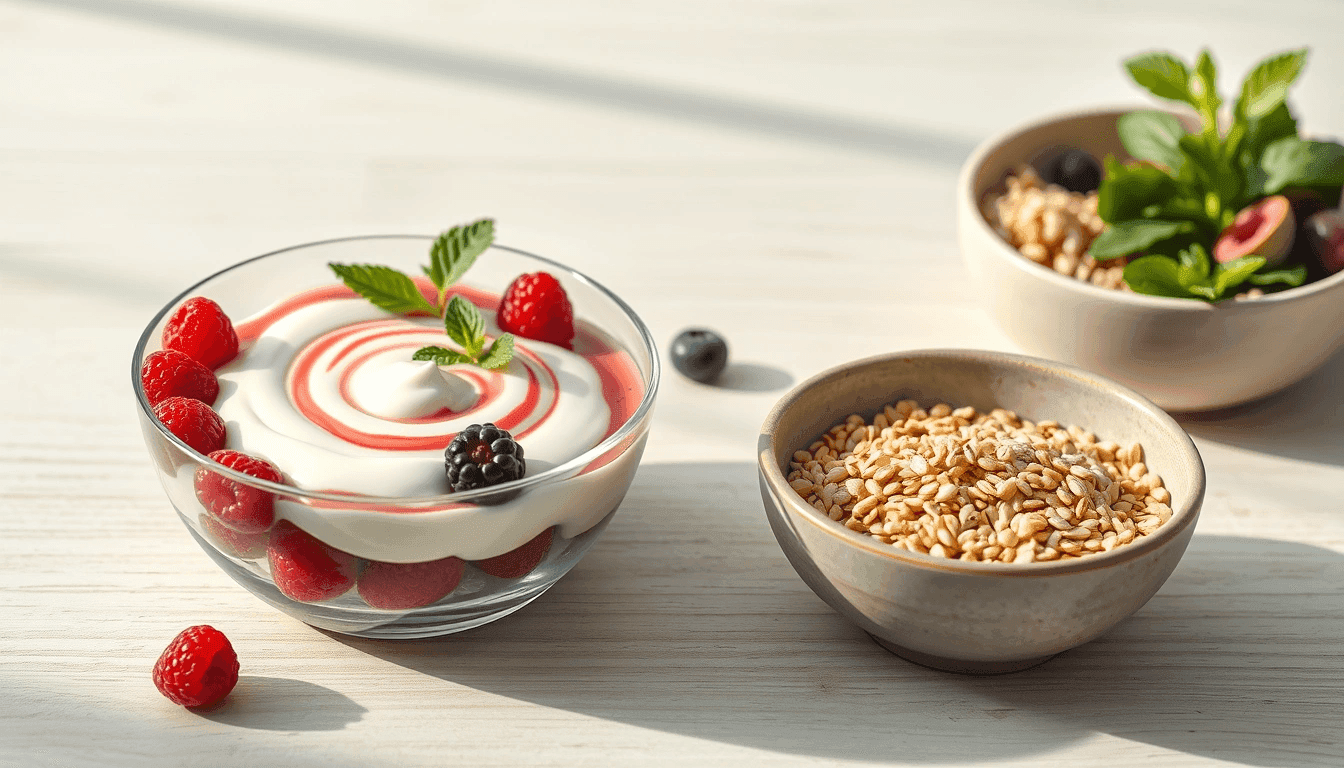
1. Focus on Fermented Foods First: Your diet is the most powerful tool for shaping your gut microbiome. Incorporating naturally fermented foods is a delicious and traditional way to get a diverse range of probiotics.
2. Consider a Probiotic Supplement (with guidance): If dietary changes aren't enough, or if you're dealing with specific health concerns, a probiotic supplement can be a good option. However, not all probiotics are created equal.
3. Feed Your Friendly Bacteria (Prebiotics): Probiotics are like seeds; prebiotics are the fertilizer. These are non-digestible fibers that feed your beneficial gut bacteria, helping them thrive.
4. Adopt a Holistic Approach: Probiotics are powerful, but they work best as part of a larger picture of health.
A gentle reminder: While probiotics can be incredibly beneficial, they are not a substitute for professional medical advice. If you're experiencing chronic inflammation or have underlying health conditions, always talk to your doctor before starting any new supplement regimen. They can help you understand the root causes of your inflammation and create a comprehensive plan.
The connection between your gut and inflammation is a powerful one, and it offers us a tangible way to take charge of our well-being. By nurturing your inner garden with probiotics, prebiotics, and a holistic lifestyle, you're not just addressing symptoms; you're building a stronger, more resilient foundation for your health.
It's about listening to your body, making informed choices, and understanding that every small step you take to support your gut health is a step towards a calmer, healthier you. You have the power to influence this inner fire, and with a little care, you can help it simmer down and allow your body to truly thrive.
Unlock the gut-fatigue connection! If ME/CFS exhaustion persists, explore how gut health and probiotics can support your body's fight against Chronic Fatigue Syndrome.
Is the 'probiotics for weight loss' hype real? Get the honest scientific truth on gut health, metabolism, and effective strategies for a healthier you.

Feeling 'meh'? Explore how probiotics can transform your gut health, boost energy, mood, & immunity. Learn natural ways to integrate them into your daily wellness routine.