

Ever feel like your body isn't quite right? Maybe you experience bloating, fatigue, brain fog, or skin issues that seem to pop up without a clear reason. It’s a frustrating place to be, and often, the root of these seemingly unrelated symptoms can be found in a place you might not expect: your gut. Specifically, something called leaky gut syndrome, or more technically, increased intestinal permeability.
It sounds a bit alarming, doesn't it? But let's break it down in a way that makes sense, and then we'll explore how some incredible tiny helpers – probiotics – can play a significant role in getting things back on track.
What Exactly Is "Leaky Gut"?
Imagine your gut lining as a beautifully woven, incredibly smart mesh. This mesh is designed to be selective: it lets essential nutrients from your digested food pass into your bloodstream, but it keeps out harmful substances like undigested food particles, toxins, and bad bacteria. Think of it like a bouncer at a very exclusive club, letting in the VIPs (vitamins, minerals) and keeping out the troublemakers.
Now, with leaky gut, those tiny spaces in the mesh, called tight junctions, become a bit too wide. They loosen up, allowing some of those "troublemakers" to slip past into your bloodstream. Your immune system, sensing these foreign invaders where they shouldn't be, goes into overdrive, triggering inflammation throughout your body.
It's not a hole in your gut, but rather a loosening of the natural gateways. This subtle shift can have a big ripple effect on your overall health.
Why Does Our Gut Get "Leaky" in the First Place?
Our modern lifestyles often put a lot of stress on our gut. Several factors can contribute to this increased permeability:
- Chronic Stress: Our gut and brain are intimately connected. High stress levels can literally impact the integrity of your gut lining.
- Poor Diet: Diets high in processed foods, refined sugars, unhealthy fats, and low in fiber can disrupt the delicate balance of gut bacteria and weaken the gut barrier.
- Certain Medications: Long-term use of NSAIDs (like ibuprofen), antibiotics, and even some acid-reducing drugs can affect gut health.
- Imbalance of Gut Bacteria (Dysbiosis): When "bad" bacteria outnumber the "good" ones, it creates an environment that's not conducive to a strong gut lining.
- Toxins: Environmental toxins and even toxins from certain foods can contribute.
When any of these factors are at play, your body starts sending signals – those nagging symptoms we talked about earlier.
Enter Probiotics: Your Gut's Tiny Allies
This is where our microscopic heroes, probiotics, step onto the stage. Probiotics are live microorganisms, often beneficial bacteria and yeasts, that, when consumed in adequate amounts, confer a health benefit to the host. Essentially, they're the "good guys" that help bring balance and strength back to your gut.
So, how do probiotics specifically help with a leaky gut?
- Strengthening the Barrier: Some probiotic strains have been shown to help tighten those loose tight junctions. They encourage the cells lining your gut to form stronger bonds, effectively patching up the "leaks."
- Balancing the Gut Microbiome: Probiotics introduce more beneficial bacteria, helping to crowd out the harmful ones. A balanced microbiome is crucial for a healthy gut environment.
- Reducing Inflammation: By restoring balance and strengthening the gut barrier, probiotics can help calm the immune system's overreaction, leading to reduced inflammation throughout the body.
- Producing Beneficial Compounds: Many probiotics produce short-chain fatty acids (SCFAs) like butyrate, which is a primary fuel source for your gut cells and helps maintain their health and integrity.
- Boosting Mucus Production: A healthy mucus layer is another protective barrier in the gut. Certain probiotics can stimulate its production, adding another layer of defense.
Choosing Your Probiotic Allies: It's Not One-Size-Fits-All
If you're considering probiotics for leaky gut, here are a few things to keep in mind:
- Strain Specificity: Not all probiotics are created equal. Different strains have different jobs. For gut barrier integrity, look for strains like Lactobacillus plantarum, Lactobacillus rhamnosus GG, Bifidobacterium infantis, and Saccharomyces boulardii. It’s always a good idea to do a little research or consult with a healthcare professional.
- Diversity is Key: A multi-strain probiotic might offer a broader range of benefits.
- CFUs (Colony Forming Units): This indicates the number of live organisms. A higher CFU count doesn't always mean "better," but generally, look for products with billions of CFUs.
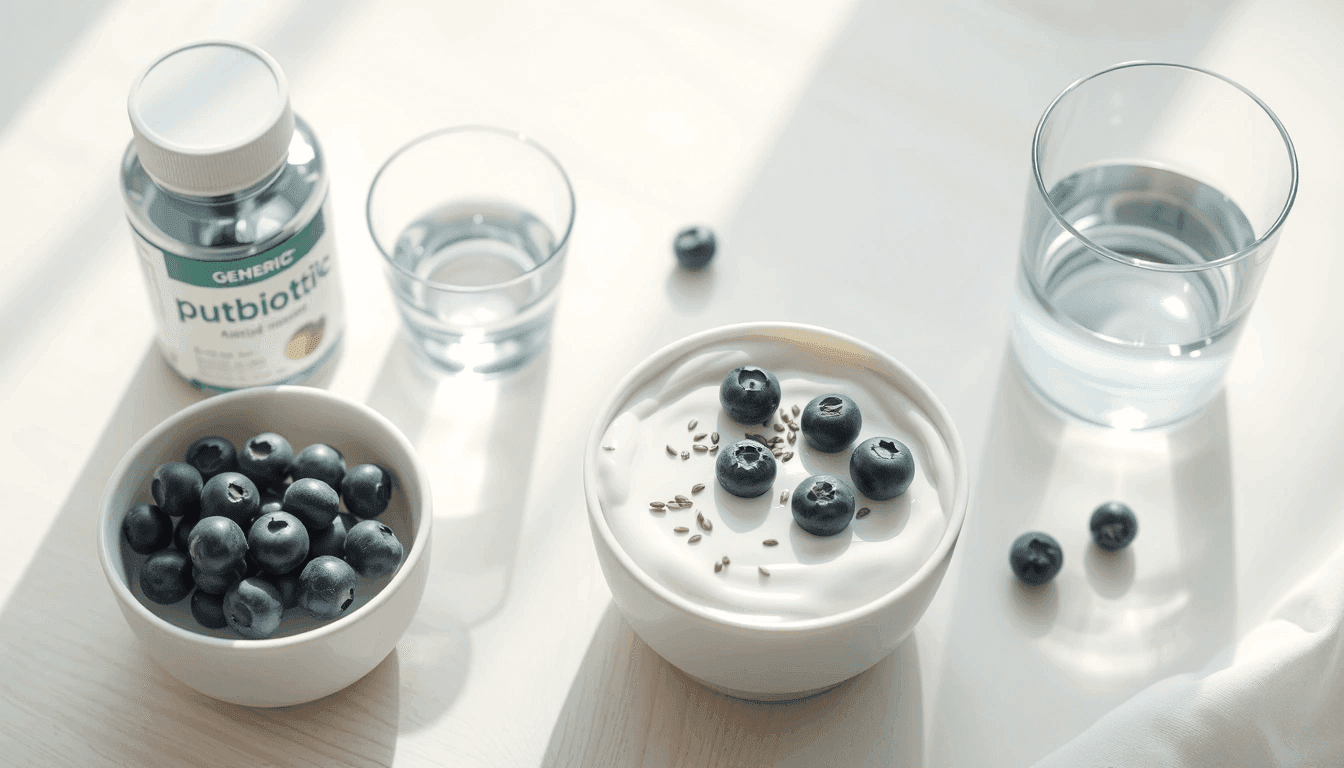
- Food vs. Supplements: Fermented foods like yogurt (with live active cultures), kefir, sauerkraut, kimchi, and kombucha are fantastic natural sources of probiotics. Supplements offer a more concentrated and targeted approach. Why not enjoy both?
- Start Slow: When introducing new probiotics, especially supplements, start with a lower dose and gradually increase to see how your body responds. Some people might experience temporary gas or bloating as their gut adjusts.
Beyond Probiotics: A Holistic Approach to Gut Healing
While probiotics are powerful tools, they are just one piece of the puzzle. Healing a leaky gut effectively requires a more holistic approach:
- Nourish Your Gut with Whole Foods: Focus on a diet rich in fiber (fruits, vegetables, whole grains), lean proteins, and healthy fats. Incorporate foods that support gut health, like bone broth (rich in collagen), fermented foods, and prebiotic foods (garlic, onions, asparagus, bananas) that feed your good gut bacteria.
- Remove Gut Irritants: Identify and eliminate foods that trigger inflammation for you, which often include processed foods, excessive sugar, alcohol, and sometimes common allergens like gluten or dairy.
- Manage Stress: Practice stress-reduction techniques like meditation, yoga, deep breathing exercises, or spending time in nature. Your gut will thank you.
- Prioritize Sleep: Quality sleep is non-negotiable for overall healing and gut health.
- Stay Hydrated: Water is essential for every bodily function, including digestion and nutrient absorption.
When to Talk to a Professional
If you suspect you have leaky gut syndrome or are experiencing persistent digestive issues, it's always best to consult with a doctor, a registered dietitian, or a functional medicine practitioner. They can help accurately diagnose your condition, rule out other issues, and guide you toward a personalized treatment plan that's right for your unique health needs.
Healing your gut isn't an overnight fix; it's a journey of consistent, caring choices. But by understanding the role of probiotics and embracing a holistic approach, you can empower your body to rebuild its strength, reduce inflammation, and pave the way for a healthier, more vibrant you.

Related Articles

Can Probiotics Help Chronic Fatigue? Exploring the Gut-Brain Link
Unlock the gut-fatigue connection! If ME/CFS exhaustion persists, explore how gut health and probiotics can support your body's fight against Chronic Fatigue Syndrome.
Probiotics & Weight Loss: Unpacking Gut Health Hype & Real Facts
Is the 'probiotics for weight loss' hype real? Get the honest scientific truth on gut health, metabolism, and effective strategies for a healthier you.

Probiotics for Daily Wellness: Simple Ways to Feel Your Best
Feeling 'meh'? Explore how probiotics can transform your gut health, boost energy, mood, & immunity. Learn natural ways to integrate them into your daily wellness routine.