October 22, 2025
6 min read
Have you ever felt a little bewildered by all the health buzzwords out there? "Probiotics," "Prebiotics"—they sound similar, often get mentioned in the same breath, and yet, they're not quite the same thing. It’s easy to get them mixed up, but understanding the difference is actually a game-changer for your gut health and, by extension, your overall well-being.
Think of your gut as a bustling inner garden. To keep that garden thriving, you need both the right plants and the right soil and nutrients to feed them. Probiotics and prebiotics play these distinct, yet equally vital, roles. Let’s break this down in a way that makes sense for real life.
Let's start with probiotics. Simply put, probiotics are live, beneficial bacteria and yeasts that live in your gut and other parts of your body. Think of them as the "good guys" or the helpful residents in your inner garden. They're not just hanging out; they're actively working to keep things running smoothly.
What do they do? These tiny microbes are involved in a surprising number of body functions. They help:
Where can you find them? The best way to get probiotics naturally is through fermented foods. These foods have been cultivated with live bacteria cultures. Great sources include:
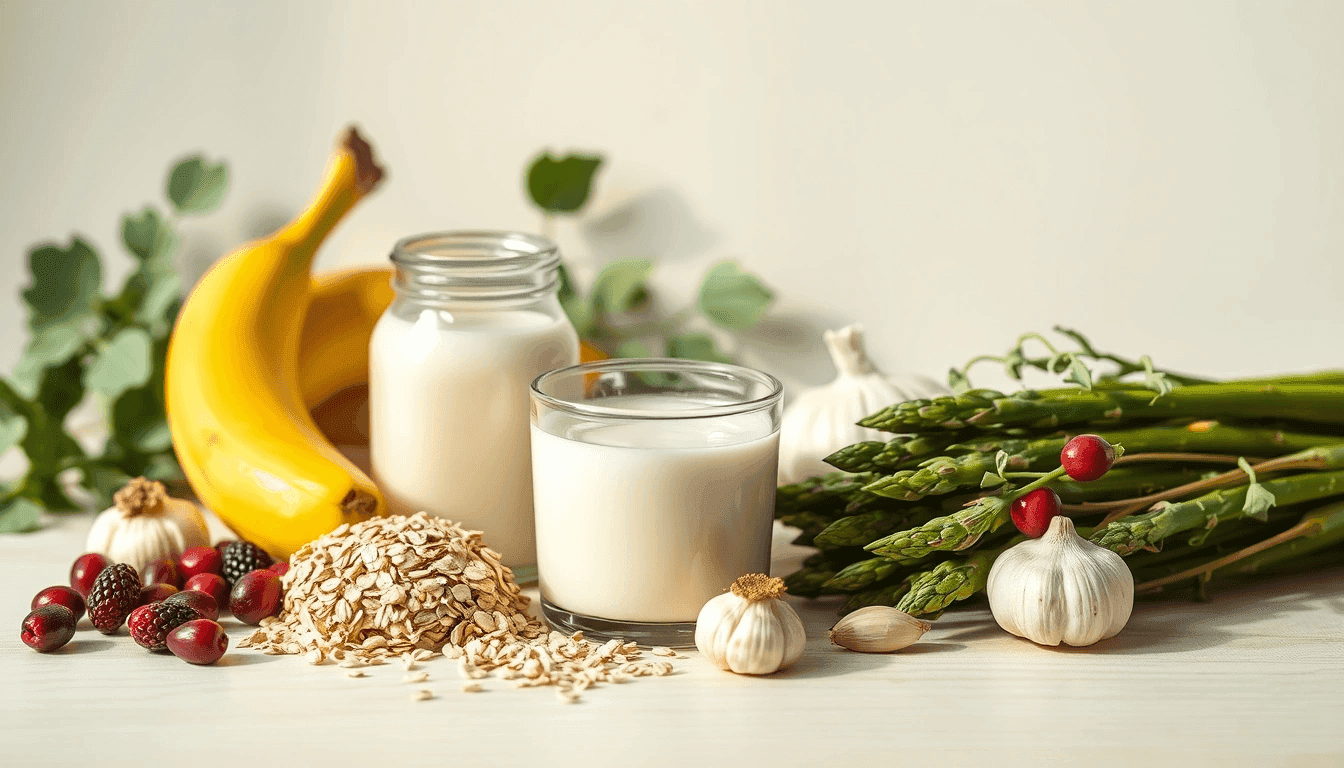
Now, let's talk about prebiotics. If probiotics are the helpful residents, then prebiotics are the special food that these residents love to eat. They're essentially non-digestible fibers that pass through your upper digestive tract undigested and make their way to your colon, where your probiotics feast on them. Think of them as the fertilizer for your gut garden.
Why are they so important? Prebiotics don't just feed your good bacteria; they help them grow, multiply, and do their jobs even better. When your good bacteria consume prebiotics, they produce beneficial short-chain fatty acids, which are crucial for:
Where can you find them? Prebiotics are found in many common, fiber-rich foods. You probably already eat some of them!
Here's the core takeaway: Probiotics are the living organisms, and prebiotics are their food. You can't have a thriving garden without both healthy plants and nutrient-rich soil.
Think of it this way: You wouldn't invite guests over (probiotics) without offering them something to eat (prebiotics), would you? For your gut to truly flourish, you need both working in harmony.
When you consume both probiotics and prebiotics, you're creating a powerful synergy. This combination is sometimes referred to as synbiotics, and it's a fantastic way to support a robust and diverse gut microbiome.
Understanding this isn't just academic; it's about feeling better in your everyday life. A balanced gut can mean:
So, what can you actually do?
Embrace a Food-First Approach:
Consider Supplements (If Needed):
Listen to Your Body:
Remember, your gut health isn't just about what you eat. It's woven into your whole lifestyle:
Understanding the difference between probiotics and prebiotics empowers you to make more informed choices for your health. They're not interchangeable, but they are a powerful team working together to keep your inner world balanced and vibrant.
By consciously adding more probiotic-rich foods and prebiotic-rich fibers to your diet, you're not just following a trend; you're nurturing a fundamental part of your well-being. Small, consistent changes can lead to big improvements in how you feel every single day. Here's to a happier, healthier gut!
Unlock the gut-fatigue connection! If ME/CFS exhaustion persists, explore how gut health and probiotics can support your body's fight against Chronic Fatigue Syndrome.
Is the 'probiotics for weight loss' hype real? Get the honest scientific truth on gut health, metabolism, and effective strategies for a healthier you.
Feeling 'meh'? Explore how probiotics can transform your gut health, boost energy, mood, & immunity. Learn natural ways to integrate them into your daily wellness routine.