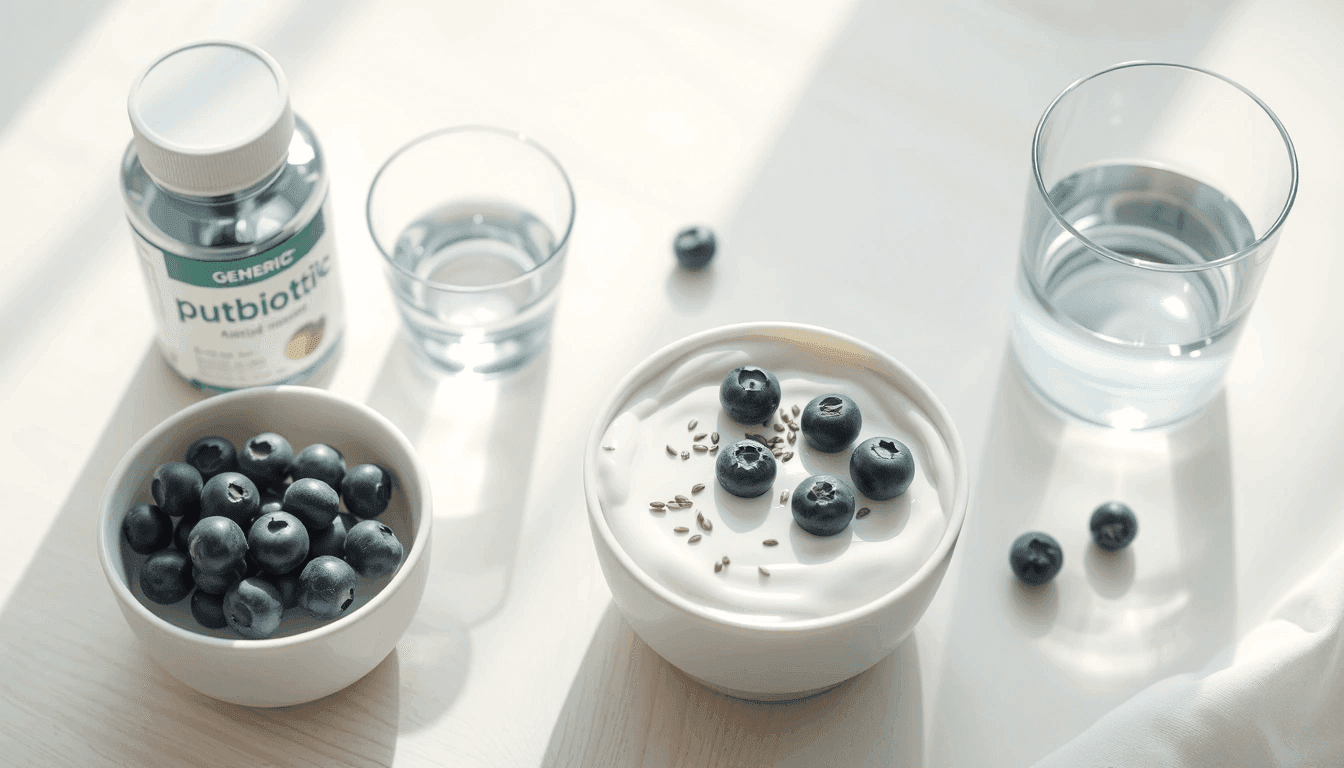
It's a question many of us ask when we start a new health routine, especially with something like probiotics: "How long until I actually feel a difference?" You've heard the buzz about a healthier gut, better digestion, maybe even a brighter mood, and naturally, you're eager for those benefits to kick in.
But here's the honest truth, right from the start: there's no one-size-fits-all answer. It's not like taking a pain reliever where you expect relief in 30 minutes. Probiotics are about nurturing an entire ecosystem inside you – your gut microbiome – and that takes a little time and consistent effort. Think of it less like a quick fix and more like tending a garden.
So, let's break this down together and set some realistic expectations.
First, a quick refresher: probiotics are live microorganisms (the "good" bacteria) that, when consumed in adequate amounts, confer a health benefit. They're like tiny, helpful residents moving into your gut. But your gut isn't an empty apartment building; it's already bustling with trillions of bacteria – some good, some not-so-good.
When you introduce new probiotics, they've got a job to do:
- Competing for space: They need to establish themselves amidst the existing population.
- Influencing the environment: They produce substances that can change the gut's pH, making it less hospitable for unwelcome guests.
- Communicating: They interact with your immune system and even your brain.
This isn't an overnight takeover. It's a gradual shift, a rebalancing act that your body needs time to perform and respond to.
Several things play a role in how quickly you might notice changes:
-
Your Starting Point (Your Current Gut Health):
- If your gut is already fairly balanced: You might notice subtle improvements, or perhaps just a feeling of "maintenance" and wellness.
- If you're dealing with significant issues (like frequent bloating, irregular bowel movements, or recovering from antibiotics): Your gut might need more work, and the initial changes could be more dramatic, or it might take longer to achieve a stable improvement.
-
Why You're Taking Them:
- General Wellness & Maintenance: You might not feel a drastic change, but rather a steady sense of digestive comfort and overall well-being over weeks or months.
- Specific Digestive Issues (e.g., constipation, diarrhea, bloating): You might start noticing improvements in regularity or reduced discomfort within a few weeks.
- After Antibiotics: Probiotics can help repopulate the gut quickly, so you might feel better relatively soon, perhaps within days to a week, as your digestion normalizes.
- Immune Support, Mood, or Skin: These benefits often take longer to manifest, as they're secondary effects of a healthier gut. Think months rather than weeks.
-
The Probiotic Strain and Dosage:
- Different strains of probiotics do different things. Lactobacillus and Bifidobacterium are common, but specific species and strains (e.g., L. plantarum 299v, B. infantis 35624) are studied for particular benefits.
- A higher CFU (Colony Forming Units) count doesn't always mean faster results, but a clinically effective dose is important. Always follow the recommended dosage.
-
Consistency is Key:
- Taking your probiotic every day is crucial. Skipping days is like trying to water a plant sporadically – it won't thrive. The beneficial bacteria need a consistent supply to establish and maintain their presence.
-
Your Lifestyle:
- Are you eating a diet rich in fiber (prebiotics), staying hydrated, managing stress, and getting enough sleep? These factors profoundly impact your gut health and can either support or hinder your probiotic's efforts.
Think of it this way: You're not just adding good bacteria; you're creating an environment where they can flourish. Your dietary and lifestyle choices are the "soil" in which they grow.
While highly individual, here’s a general guide for what you might expect:
-
A Few Days to 2 Weeks:
- You might notice subtle shifts in bowel movements – perhaps a bit more regularity, or a slight change in consistency.
- Some people experience initial "adjustment" symptoms like mild gas or bloating as their gut adapts. This usually subsides quickly.
- If you're taking them after antibiotics, you might start feeling your digestion return to normal during this period.
-
2 Weeks to 1 Month:
- For many, this is when more noticeable improvements begin to emerge, especially concerning digestive comfort (less bloating, more regular bowel movements).
- You might feel a general sense of lightness or better digestion after meals.
-
1 to 3 Months:
- This is often the sweet spot for sustained, significant benefits to become apparent.
- If you're aiming for broader benefits like immune support, skin health, or mood improvement, you'll likely need to be consistent for at least this long. Your gut microbiome is truly starting to rebalance and thrive.
- Many studies on specific strains show benefits appearing within this timeframe.
Don't just swallow a pill and hope for the best! Give your probiotics the best chance to succeed:
- Choose Wisely: Not all probiotics are created equal. Look for reputable brands with specific strains that have been studied for the benefits you're seeking. When in doubt, talk to a doctor or a registered dietitian.
- Be Patient & Consistent: This is probably the most important tip. Give your body at least 4-8 weeks of daily use before deciding if a probiotic is working for you.
- Feed Your Gut: Probiotics thrive on prebiotics – the dietary fiber found in fruits, vegetables, whole grains, and legumes. Think of prebiotics as the food for your good bacteria.
- Hydrate: Water is essential for healthy digestion and helps everything move smoothly through your system.
- Listen to Your Body: Pay attention to how you feel. Keep a simple journal of your symptoms (digestion, energy, mood) before and during probiotic use. This can help you track subtle changes.
- Consider Fermented Foods: While they don't offer the same targeted, high-dose benefits as a quality supplement, incorporating fermented foods like yogurt, kefir, sauerkraut, kimchi, and kombucha can further diversify your gut flora and support overall health.
- Manage Stress: Stress has a profound impact on gut health. Techniques like meditation, deep breathing, or spending time in nature can make a big difference.
If you've been consistently taking a probiotic for 1-3 months and haven't noticed any positive changes, or if your symptoms worsen, it's a good idea to consult with your doctor or a registered dietitian. They can help you:
- Assess if probiotics are the right solution for your specific issues.
- Recommend different strains or dosages.
- Rule out any underlying conditions that might be preventing improvement.
Remember: Probiotics are a powerful tool for gut health, but they're part of a larger picture. A holistic approach that includes a balanced diet, adequate hydration, stress management, and consistent use of a quality probiotic is your best bet for seeing lasting, meaningful benefits.
So, take a deep breath, be kind to your gut, and give those tiny, helpful bacteria the time they need to do their important work. Your body will thank you for it.