Let’s be honest, yeast infections are no fun. That familiar itch, the discomfort, the feeling of being "off" – it’s a deeply frustrating experience that many of us have faced at one point or another. It’s natural to look for ways to not only treat them when they pop up but also to prevent them from coming back. And in that quest, you’ve likely come across probiotics.
But what's the real story? Can these friendly bacteria genuinely help with yeast infections? Let's break this down together, not like a textbook, but like a conversation with someone who gets it.
First, a quick refresher. A yeast infection, most commonly caused by an overgrowth of a fungus called Candida albicans, isn't just about hygiene. Candida is actually a normal resident in our bodies, living peacefully in our gut, on our skin, and in the vaginal area. The problem starts when something throws off the delicate balance, allowing Candida to multiply out of control.
Think of it like a garden where the weeds suddenly take over the beautiful flowers.
What can cause this imbalance? A lot of things, actually:
- Antibiotics: These medications are fantastic for killing bad bacteria, but they often wipe out the good guys too, leaving an open field for yeast.
- Hormonal changes: Pregnancy, birth control pills, or menstruation can all shift the environment.
- Weakened immune system: Stress, lack of sleep, or certain medical conditions can make you more susceptible.
- Diet: A diet high in sugar can feed yeast, helping it thrive.
- Tight clothing or damp environments: These create ideal conditions for yeast growth.
It’s often a combination of factors, which is why they can feel so persistent.
So, where do probiotics fit in? Probiotics are live microorganisms – often referred to as "good bacteria" – that, when consumed in adequate amounts, provide a health benefit to the host. They’re like tiny, microscopic allies working tirelessly behind the scenes to keep your internal environment harmonious.
You might know them best for their role in gut health, helping with digestion and nutrient absorption. But their influence extends much further, including to your vaginal health. The gut and the vagina are surprisingly interconnected when it comes to maintaining a healthy microbial balance.
This is where it gets interesting. Probiotics don't just sit there; they actively engage in maintaining balance. Here’s how they can help when it comes to yeast infections:
- They Compete for Space and Food: Imagine a bustling marketplace. The more good bacteria there are, the less room and resources are available for Candida to set up shop and multiply. They simply outnumber and outcompete the yeast.
- They Maintain a Healthy pH Balance: The vaginal environment is naturally acidic, which is a fantastic defense against yeast overgrowth. Certain probiotic strains, particularly Lactobacillus species, produce lactic acid, helping to keep that pH low and unfavorable for Candida.
- They Boost Your Natural Defenses: Probiotics can communicate with your immune system, helping it to be more effective at recognizing and fighting off potential pathogens, including yeast. This means your body is better equipped to handle a Candida flare-up.
- They Can Help After Antibiotics: If you've just finished a course of antibiotics, taking probiotics can be a proactive step to help replenish the good bacteria that might have been wiped out, potentially preventing a yeast infection from taking hold.
Think of probiotics as the peacekeepers of your internal ecosystem. They help maintain order and keep the unruly elements in check.
This is a crucial point. If you're considering probiotics for yeast infections, you can't just grab any old supplement.
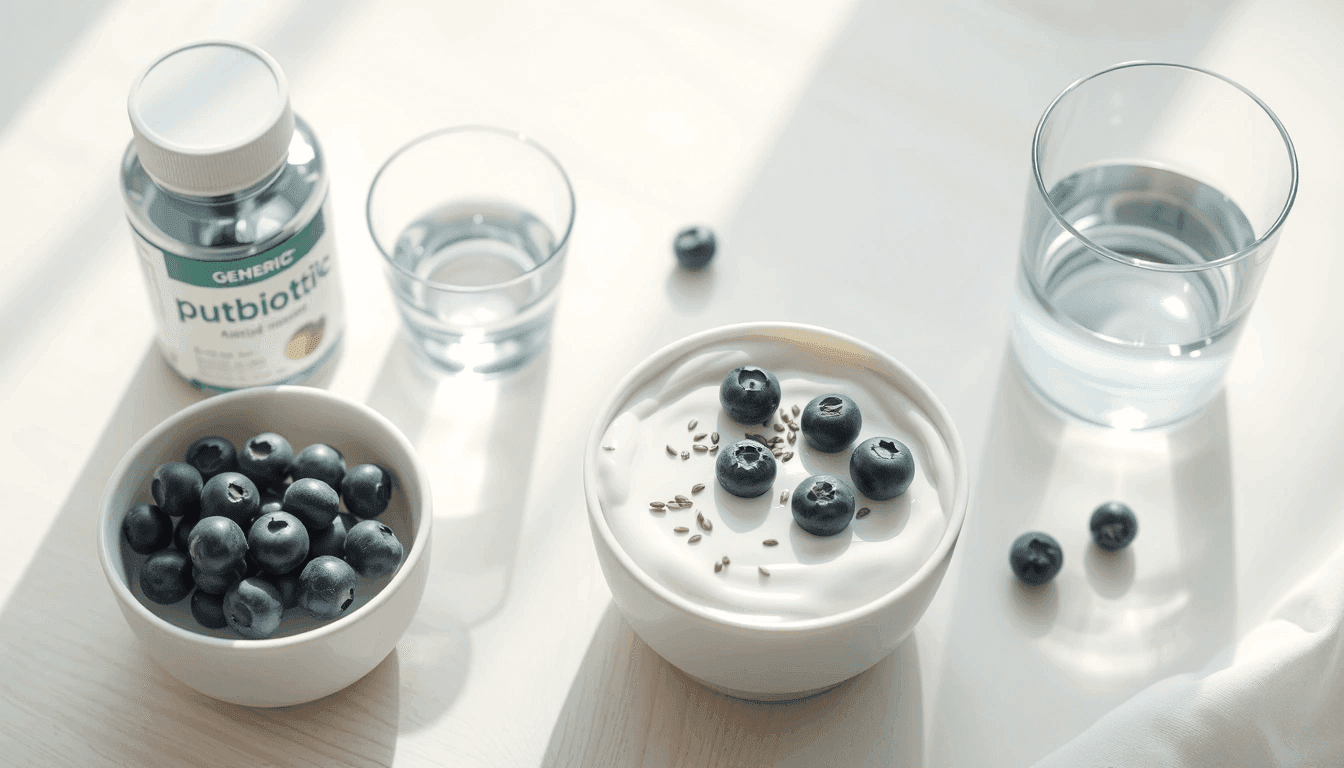
- Look for Specific Strains: For vaginal health and combating yeast, research strongly points to certain Lactobacillus strains. Key strains to look for include Lactobacillus rhamnosus GR-1 and Lactobacillus reuteri RC-14. Other helpful strains can include Lactobacillus crispatus and Lactobacillus acidophilus.
- Check the CFU Count: This stands for "colony-forming units" and indicates the number of live microorganisms. For therapeutic benefits, you’ll often see products with billions of CFUs (e.g., 10-50 billion).
- Consider Delivery:
- Oral Supplements: These are the most common. The good bacteria travel through your digestive system to reach their destination.
- Vaginal Suppositories: These deliver probiotics directly to the vaginal area. Some people find them more effective for acute issues, but always ensure they are specifically designed for vaginal use and follow instructions carefully.
- Quality Matters: Choose reputable brands that store their probiotics properly (some require refrigeration) and have third-party testing to ensure what's on the label is actually in the product.
So, you’ve got your probiotics. Now what?
- During an Active Infection: Probiotics can be a helpful adjunct to your doctor-prescribed treatment for an active yeast infection. They are not a standalone cure for an established infection. Always consult your doctor for diagnosis and treatment. Once you're on medication, probiotics can help restore balance and speed recovery.
- After Antibiotics: This is an excellent time to start taking probiotics to pre-emptively restore your microbiome and prevent a yeast infection from developing.
- For Prevention and Maintenance: If you're prone to recurrent yeast infections, regular probiotic use can be a game-changer. Consistency is key here.
- Dietary Sources: Don't forget food! Incorporate fermented foods like plain, unsweetened yogurt (look for live and active cultures), kefir, sauerkraut, and kimchi into your diet. These offer a diverse range of beneficial bacteria.
A word of caution: While powerful, probiotics aren't a magic bullet. They are a supportive tool to help your body maintain its natural balance.
While probiotics are a fantastic ally, they work best as part of a broader strategy that supports your overall health. To truly keep yeast infections at bay, consider these lifestyle tips:
- Mind Your Diet: Reduce your intake of refined sugars and processed foods. Yeast loves sugar, so cutting back can significantly starve it out. Focus on whole, unprocessed foods.
- Stay Hydrated: Drinking plenty of water is good for your whole body, including your mucous membranes.
- Choose Breathable Fabrics: Opt for cotton underwear and avoid tight-fitting clothing, especially during exercise. Airflow helps keep things dry and less hospitable for yeast.
- Practice Good Hygiene (Gently!): Wash the external vaginal area with plain water or a mild, unscented soap. Avoid harsh soaps, douches, and scented feminine products, which can disrupt the natural pH.
- Manage Stress: Stress impacts your immune system, making you more vulnerable. Find healthy ways to cope, like exercise, meditation, or spending time in nature.
- Get Enough Sleep: Rest is crucial for a strong immune system.
Probiotics offer a compelling, natural way to support your body's ability to prevent and manage yeast infections. By fostering a healthy internal environment, you're empowering your body's own defense mechanisms.
Remember, you are your own best health advocate. Listen to your body, make informed choices, and always have an open conversation with your doctor or healthcare provider about persistent or recurrent issues. They can provide a diagnosis and ensure you're on the right track with your unique health needs.
You don't have to navigate the world of yeast infections alone. With a little understanding and the right allies, like those tiny, mighty probiotics, you can feel more in control and live more comfortably.