October 22, 2025
6 min read
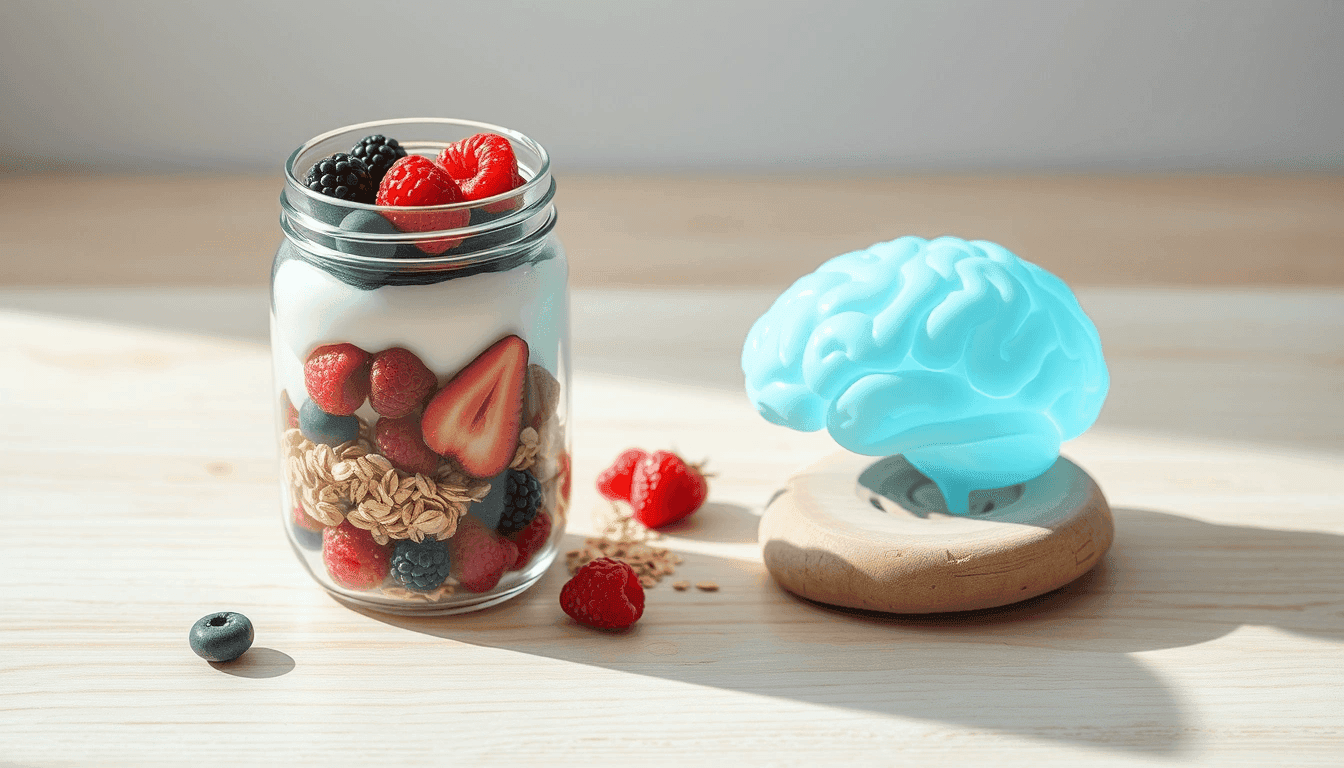
Have you ever had a "gut feeling" about something? Or noticed how stress can tie your stomach in knots? It’s not just your imagination. Our gut and our brain are in constant communication, a powerful, two-way street that profoundly impacts our mood, energy, and overall well-being. This fascinating connection is often called the Brain-Gut Axis, and sitting right at the heart of it are those tiny, mighty helpers we call probiotics.
Let's break this down together, because understanding this link can truly empower you to feel better, from the inside out.
Imagine your gut and your brain have a direct phone line, constantly chatting. That's essentially the Brain-Gut Axis. It's a complex network involving:
So, when we talk about the Brain-Gut Axis, we're really talking about how your gut's environment, its bustling microbial community, and its physical state can directly influence your brain, your mood, your stress response, and even your cognitive function. And vice-versa!
You've probably heard of probiotics – often called "good bacteria" or "friendly microbes." They're live microorganisms that, when consumed in adequate amounts, provide a health benefit to the host. But how do these tiny organisms get involved in this brain-gut conversation?
Think of your gut microbiome as a garden. You want a diverse, healthy garden full of beneficial plants to keep weeds (bad bacteria) from taking over. Probiotics are like adding more of those beneficial plants or helping the existing good ones thrive.
Here's how they might influence your brain through the gut:
It's truly amazing to think that these microscopic residents of our gut could be having such a significant impact on how we feel and think every day.
This isn't just fascinating science; it has real-world implications for your daily life. If you've struggled with:
...then nurturing your gut health, particularly with probiotics, could be a valuable piece of your wellness puzzle.
Important Nuance: While the research is exciting and growing, probiotics aren't a magic bullet. They are one important tool in a comprehensive approach to health. They work best when combined with a healthy diet and lifestyle.
Ready to support your brain-gut axis? Here are some simple, actionable steps:
Embrace Fermented Foods (Food First!): These are natural sources of beneficial bacteria, and often come with other nutrients too!
Consider a Probiotic Supplement: If you're not consistently eating fermented foods, or if you're looking for targeted support, a supplement might be helpful.
Don't Forget Prebiotics: Think of prebiotics as the "food" for your probiotics. They are non-digestible fibers that nourish the beneficial bacteria in your gut. You can find prebiotics in foods like:
Holistic Lifestyle Support: Remember, the brain-gut axis is influenced by everything.
Nurturing your gut is one of the most powerful ways you can support your overall health – from your digestion to your mood and mental clarity. By understanding the incredible connection between your brain and your gut, and by thoughtfully incorporating probiotics and a gut-friendly lifestyle, you're taking meaningful steps towards a more vibrant, balanced you. It's about listening to your body, trusting those "gut feelings," and giving your internal ecosystem the care it deserves.
Unlock the gut-fatigue connection! If ME/CFS exhaustion persists, explore how gut health and probiotics can support your body's fight against Chronic Fatigue Syndrome.
Is the 'probiotics for weight loss' hype real? Get the honest scientific truth on gut health, metabolism, and effective strategies for a healthier you.
Feeling 'meh'? Explore how probiotics can transform your gut health, boost energy, mood, & immunity. Learn natural ways to integrate them into your daily wellness routine.