October 22, 2025
7 min read
Have you ever felt that "gut feeling" about something? Turns out, that feeling might be more literal than you think! Our gut — that incredible, complex system inside us — plays a surprisingly huge role in our overall well-being, from our digestion to our mood and even our immune system. And at the heart of a happy gut are tiny, beneficial microbes we often refer to as probiotics.
You've probably heard the word "probiotics" before, often associated with yogurt or fancy supplements. But what are they, really? Think of them as the "good guys" in your gut's bustling city. These live microorganisms, when consumed in adequate amounts, help keep the balance, fight off the bad guys, and support countless bodily functions.
It can feel a bit overwhelming, right? With so much information out there, it’s easy to wonder: Do I really need them? How do I get them? And can I just eat regular food instead of popping a pill? The good news is, you absolutely can! Many wonderful, everyday foods are naturally packed with these friendly microbes, ready to help you cultivate a healthier, happier gut.
Let’s explore some of these amazing probiotic powerhouses and how you can easily bring them into your life.
Before we dive into the delicious details, let's quickly touch on why this matters. A balanced gut microbiome — the community of bacteria, fungi, and other microbes living in your digestive tract — is like a well-oiled machine. When it's off-kilter, you might experience issues like bloating, indigestion, or even feel a bit sluggish.
Probiotics contribute to:
It’s clear that nurturing your gut is a powerful way to boost your overall vitality.
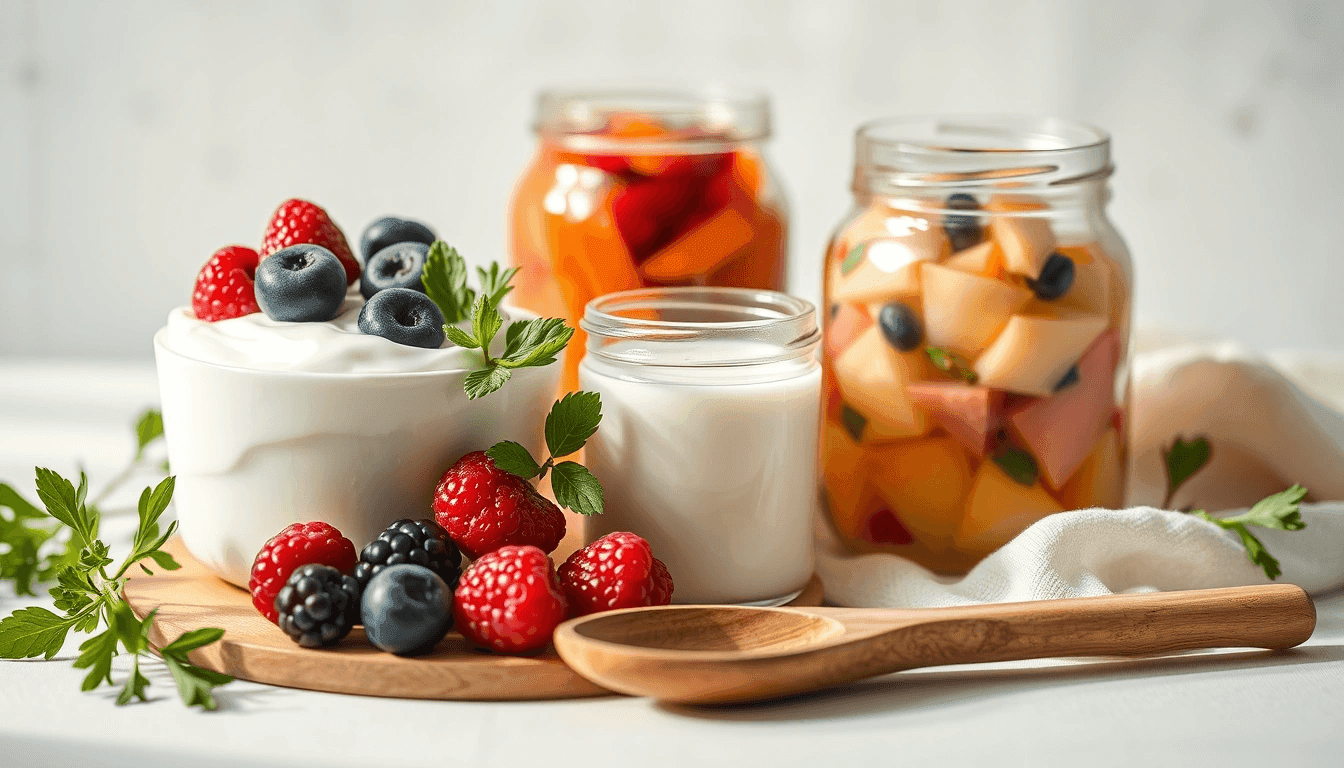
When most people think of probiotics, yogurt instantly comes to mind. And while yogurt is a fantastic source, it's just the tip of the iceberg! There's a whole world of fermented foods out there, each offering its unique blend of beneficial bacteria and flavors.
Let’s break down some of the best:
Yogurt (The Classic Choice):
Kefir (Yogurt's Tangy Cousin):
Sauerkraut (Fermented Cabbage Magic):
Kimchi (Korean Fermented Powerhouse):
Tempeh (Fermented Soybean Goodness):
Miso (Japanese Fermented Paste):
Kombucha (The Fizzy Fermented Tea):
A friendly reminder: Not all fermented foods contain probiotics. For example, sourdough bread and most commercial pickles are often made with processes (like high heat or vinegar brining) that kill off the beneficial bacteria. Always look for "live and active cultures" or "unpasteurized" on labels if your goal is probiotic intake.
The best way to get probiotics is to make them a regular, enjoyable part of your diet. Here are some simple, realistic ways to do just that:
While probiotic-rich foods are generally safe and incredibly beneficial for most people, everyone's gut is unique. If you have a compromised immune system, a severe digestive condition, or are new to these foods, it's always a good idea to chat with your doctor or a registered dietitian first. They can offer personalized advice and ensure these foods are right for you.
Remember, nourishing your gut isn't about perfection; it's about progress. Every small step you take towards incorporating more whole, fermented foods is a step towards a healthier, more vibrant you. Listen to your body, enjoy the delicious flavors, and celebrate the incredible power of these tiny microbes!
Embracing probiotic-rich foods is a delicious and natural way to support your gut health and, by extension, your entire well-being. It's a journey of discovery for your taste buds and a gift to your inner ecosystem. So go ahead, explore the wonderful world of fermented foods, and let your gut thank you!
Unlock the gut-fatigue connection! If ME/CFS exhaustion persists, explore how gut health and probiotics can support your body's fight against Chronic Fatigue Syndrome.
Is the 'probiotics for weight loss' hype real? Get the honest scientific truth on gut health, metabolism, and effective strategies for a healthier you.
Feeling 'meh'? Explore how probiotics can transform your gut health, boost energy, mood, & immunity. Learn natural ways to integrate them into your daily wellness routine.