October 22, 2025
6 min read
We often think of our bones as these solid, unchanging structures, quietly doing their job supporting us. And when we think about keeping them strong, our minds usually jump to calcium, vitamin D, and maybe weight-bearing exercise. All incredibly important, of course! But what if I told you there's a fascinating, often overlooked player in maintaining your bone health, one that lives right inside your belly?
Yes, we're talking about your gut. And specifically, the incredible world of probiotics.
It might sound a little out there at first – what could the tiny microbes in your digestive system possibly have to do with the strength of your skeleton? Well, scientists are increasingly uncovering a powerful, two-way conversation happening between your gut and your bones, often referred to as the "gut-bone axis." Let's break down this surprising connection and explore how nurturing your gut could be a vital step toward stronger, healthier bones for life.
Think of your gut as a bustling city where trillions of bacteria, viruses, and fungi – collectively known as your gut microbiome – are hard at work. When this community is balanced with plenty of beneficial "good" bacteria (probiotics), it does so much more than just help you digest food.
Here’s how these tiny inhabitants can influence your bone health:
Nutrient Absorption Superheroes: To build and maintain strong bones, you need key nutrients like calcium, magnesium, and vitamin D and K. Your gut is where these nutrients are absorbed. A healthy, balanced gut microbiome is more efficient at extracting these essential building blocks from your food, making them available for your bones. Without those good bacteria, absorption can be less effective, even if you're eating a nutrient-rich diet.
Taming Inflammation: Chronic, low-grade inflammation in the body is a silent enemy of bone health. It can accelerate bone loss and interfere with the bone-building process. A healthy gut, rich in beneficial bacteria, plays a crucial role in regulating your immune system and reducing systemic inflammation. Think of probiotics as peacekeepers, preventing inflammatory skirmishes that could harm your bones.
Producing Bone-Friendly Compounds: Some beneficial gut bacteria produce special compounds called short-chain fatty acids (SCFAs), like butyrate. These SCFAs are not just food for your gut cells; they also have anti-inflammatory effects and may directly influence bone cell activity, encouraging bone formation and reducing bone breakdown.
Hormonal Harmony: Your gut microbiome can also influence hormone levels in your body, including those that play a significant role in bone metabolism, like estrogen. Maintaining hormonal balance is key, especially as we age, and a healthy gut can contribute to this delicate equilibrium.
It's not about replacing traditional bone care; it's about adding another powerful layer of natural support to your overall strategy for skeletal strength.
The science behind the gut-bone axis is still evolving, but early studies, both in animal models and in humans, are very promising. Researchers are observing that specific strains of probiotics might help with:
While we're not at the stage of prescribing specific probiotic "bone pills" just yet, the consensus is clear: a healthy gut environment is unequivocally good for your overall health, and that includes your bones.
So, how can you practically nurture your gut microbiome to support your bones? It's often simpler than you think!
Embrace Fermented Foods: This is one of the easiest and most delicious ways to introduce beneficial bacteria into your diet.
Feed Your Good Bacteria (Prebiotics): Probiotics need food to thrive! These are called prebiotics, which are types of fiber found in many plant foods.
Consider Probiotic Supplements (Wisely): If your diet doesn't consistently include fermented foods, or if you have specific gut health concerns, a high-quality probiotic supplement might be helpful.
Holistic Lifestyle: Ultimately, your gut health is a reflection of your overall lifestyle.
It's important to remember that probiotics are a supportive strategy for bone health, not a standalone cure or replacement for established medical treatments or lifestyle recommendations. If you have osteoporosis, osteopenia, or other bone health concerns, continue to follow your doctor's advice regarding calcium, vitamin D, exercise, and any prescribed medications.
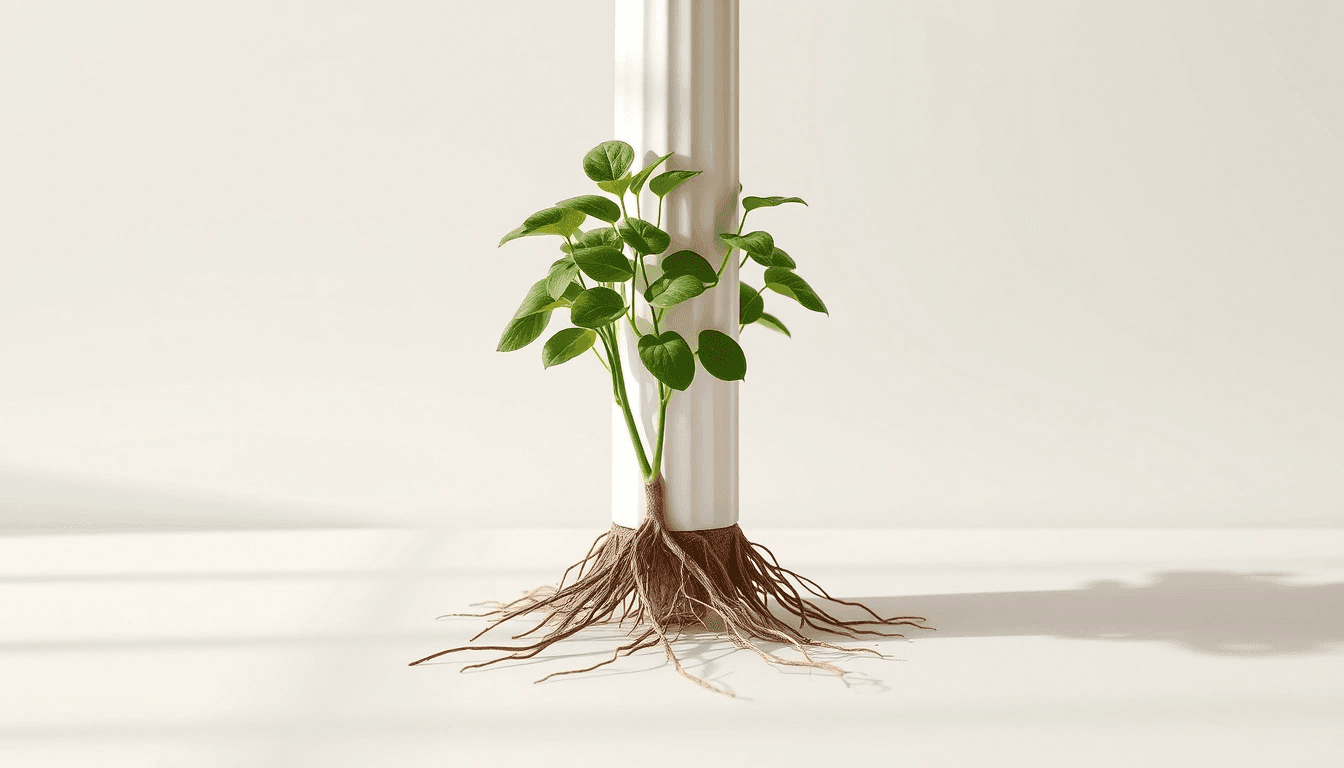
Think of probiotics as a valuable teammate in your bone health journey. By fostering a thriving inner garden in your gut, you're not just improving digestion; you're potentially laying a stronger foundation for your entire skeletal system. It's a testament to the incredible interconnectedness of our bodies and a truly natural path toward feeling strong and vital, from your gut to your bones.
Start with small, consistent changes. Add a scoop of yogurt to your breakfast, a side of kimchi to your lunch, or simply eat more fiber-rich vegetables. Your gut — and your bones — will thank you for it!
Unlock the gut-fatigue connection! If ME/CFS exhaustion persists, explore how gut health and probiotics can support your body's fight against Chronic Fatigue Syndrome.
Is the 'probiotics for weight loss' hype real? Get the honest scientific truth on gut health, metabolism, and effective strategies for a healthier you.

Feeling 'meh'? Explore how probiotics can transform your gut health, boost energy, mood, & immunity. Learn natural ways to integrate them into your daily wellness routine.